Is Woolwich Maine Commuter Living Right for You?
May 14, 2026
May 14, 2026
If you want a Midcoast home base that gives you breathing room without cutting you off from work, Woolwich deserves a close look. Many buyers want that balance of quieter living, outdoor access, and a manageable drive to major job and service centers, but not every town delivers it in the same way. Woolwich can be a smart fit if you understand its tradeoffs, and this guide will help you decide whether it matches your daily routine and long-term goals. Let’s dive in.
Woolwich is a small rural town in Sagadahoc County with about 3,158 residents spread across 35.1 square miles. Census Reporter data also shows a population density of 90.1 people per square mile and a median age of 55.8, which helps paint a picture of a lower-density community with a quieter feel.
The town has stayed relatively stable in size rather than seeing rapid growth. Woolwich’s comprehensive plan describes it as a rural, water-rich community that appeals to newer residents because of livability, affordability, recreation, and a convenient commute to work.
That combination is a big part of the appeal. You are not choosing Woolwich for an urban lifestyle or a dense downtown core. You are choosing it for space, scenery, and a practical connection to nearby Midcoast hubs.
For many buyers, the main reason Woolwich stands out is location. It sits very close to Bath and has a direct Route 1 connection across the Kennebec River, which makes access to one of the area’s biggest employment centers especially straightforward.
The Sagadahoc Bridge is central to that story. MaineDOT describes the bridge as a 0.56-mile Route 1 crossing between Woolwich and Bath with four traffic lanes, a breakdown and bicycle lane, and a protected sidewalk.
In simple terms, that bridge makes Bath the nearest major job center for many Woolwich residents. If your work, appointments, or regular errands bring you into Bath, Woolwich offers one of the more practical rural-to-town connections in this part of the Midcoast.
Woolwich works best when you go in with realistic expectations about driving. This is a road-connected town, not a traffic-free one, and Route 1 is the backbone of most daily travel.
The town’s average travel time to work is 29.4 minutes, according to ACS data. That is a bit longer than Sagadahoc County and Maine overall, which suggests Woolwich may be best suited for buyers who are comfortable with a real commute instead of a quick five-minute drive.
Route 1 traffic volume also matters. MaineDOT noted that a Route 1 crossing in Woolwich carried nearly 19,000 vehicles a day in 2019, which gives you a good sense of how active the corridor can be.
Bath is the clearest commuting anchor for Woolwich. General Dynamics Bath Iron Works identifies itself as a full-service shipyard in Bath, making the city a major nearby employment center.
Brunswick adds another layer of convenience, especially for health care and regional services. MaineHealth says Mid Coast Hospital in Brunswick is a full-service, 93-bed hospital that serves Woolwich and nearby towns.
That means Woolwich sits between important regional destinations. You can enjoy a more rural home setting while still staying connected to work in Bath and broader services in Brunswick.
One of the biggest questions buyers ask is whether the commute stays easy all year. The honest answer is that travel patterns can change, especially if your route takes you south through Wiscasset.
The Wiscasset Area Chamber notes that Route 1 through Woolwich, Wiscasset, and Edgecomb can experience significant summer congestion in Wiscasset Village, especially on peak weekend travel days. Wiscasset’s planning documents also described bumper-to-bumper seasonal congestion and recorded notable traffic counts at the Woolwich town line.
That does not make Woolwich a poor commuter choice. It simply means you should think about where you need to go most often, what time of day you typically travel, and how much flexibility you have during the busiest parts of the year.
Woolwich is not a dense service center, and that is part of its identity. The town’s planning documents describe a rural community shaped by open space, water access, and the tension between preserving that character and accommodating growth.
If you want sidewalks lined with shops and restaurants right outside your door, Woolwich may not be the best match. If you prefer a quieter home base where you can spread out and still reach nearby towns by car, it becomes much more appealing.
This is one reason Woolwich often attracts buyers who want a practical compromise. You can live in a more relaxed setting without feeling isolated from the Midcoast places where people work, shop, and access services.
Woolwich’s housing pattern is shaped by low-density land use. The town ordinance includes Residential, General Purpose, Rural, and Resource Protection districts, and it defines a dwelling as no more than one family in the shoreland zone or two families elsewhere in town.
That does not mean every property looks the same, but it does tell you what the baseline feels like. In general, Woolwich leans toward lower-intensity residential development rather than larger-scale multifamily housing.
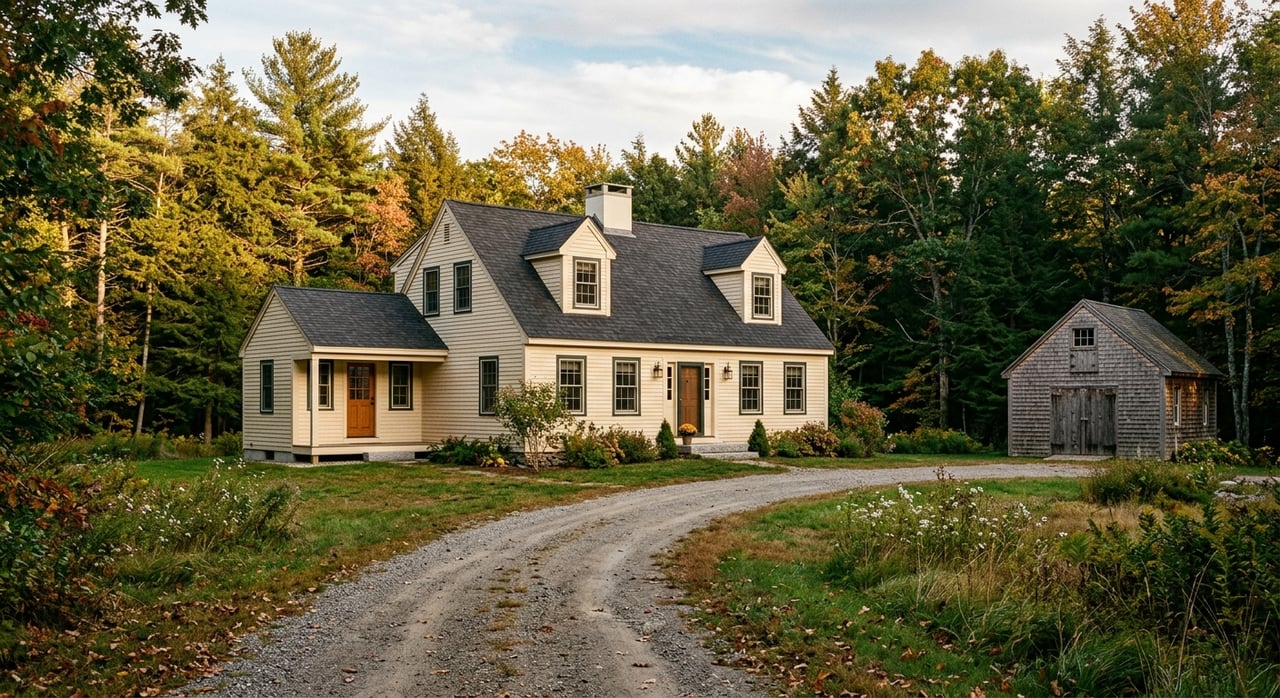
The town’s comprehensive plan adds more context. It points to surviving homes from the 1700s and 1800s, farm-oriented landscapes, village areas, and future growth areas such as Nequasset, where lower-cost development and affordable housing were expected to be encouraged.
Census Reporter shows 1,430 housing units and 1,295 households in Woolwich, which suggests an occupancy rate of about 90.6%. It also reports a median owner-occupied home value of $254,500.
That number is best used as a broad snapshot, not a stand-in for current listing prices. Still, it helps show why buyers looking for a Midcoast location with more space and a rural feel may put Woolwich on their shortlist.
For many commuters, value is not just about the purchase price. It is also about what you get in return, including land, privacy, water access, and proximity to Bath or Brunswick.
Woolwich offers more in-town support than some buyers expect from a rural community. The town website lists services and resources such as the town office, fire and rescue, recreation, tax information, maps, and community resources.
The community resources page also includes general assistance, heating assistance, emergency assistance, volunteer transportation, food resources, library home delivery, and access to regional social service and health resources. That does not make Woolwich fully self-contained, but it does show that local support systems are in place.
For daily life, you should still expect to drive for many errands and appointments. Even so, Woolwich is more than a place where people simply sleep between workdays.
For buyers considering household logistics, Woolwich Central School is the local school. RSU 1’s transportation page says district bus service covers Arrowsic, Bath, Phippsburg, and Woolwich.
The school’s website also shows current pre-K and kindergarten activity, which suggests an active local school presence. If school access matters to your home search, Woolwich offers a local option within a regional district structure.
As always, your best next step is to confirm current enrollment, transportation details, and program availability directly as you compare towns. Those details can shape what daily life looks like just as much as commute time.
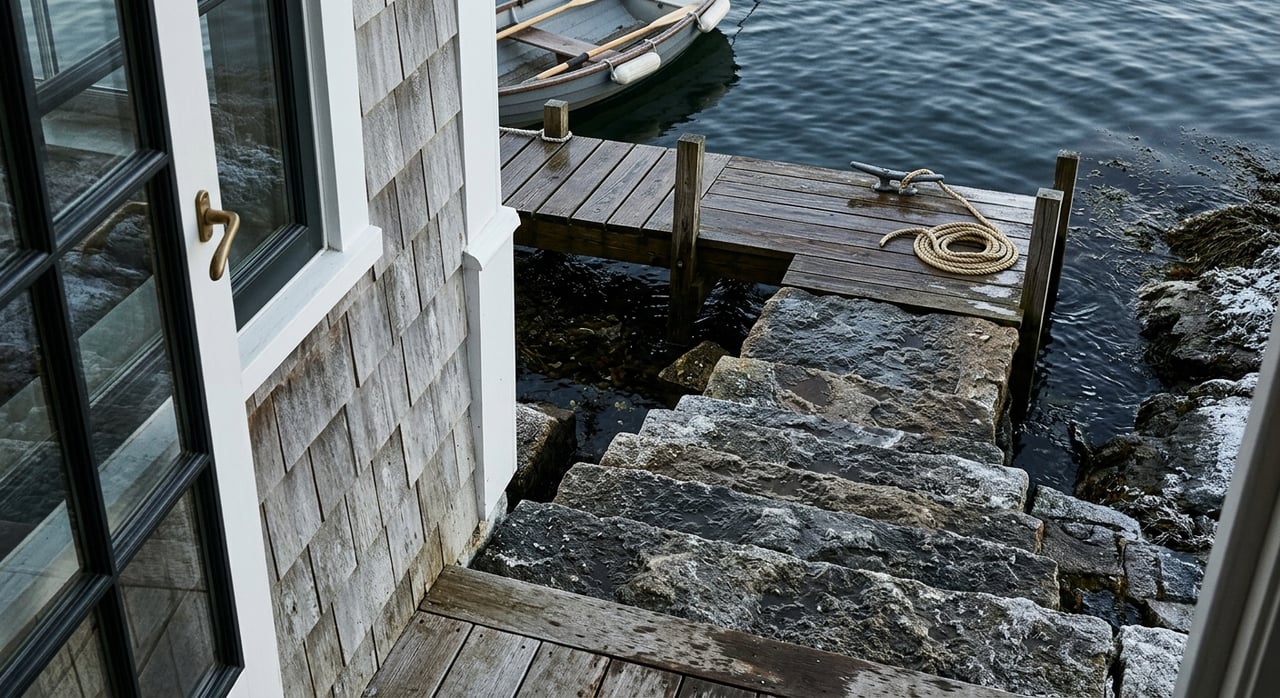
One of Woolwich’s strongest lifestyle benefits is recreation. The town describes Nequasset Park as a town-owned swim park and public boat launch, and the comprehensive plan highlights boating, canoeing, kayaking, fishing, clamming, hiking, bicycling, horseback riding, and cross-country skiing.
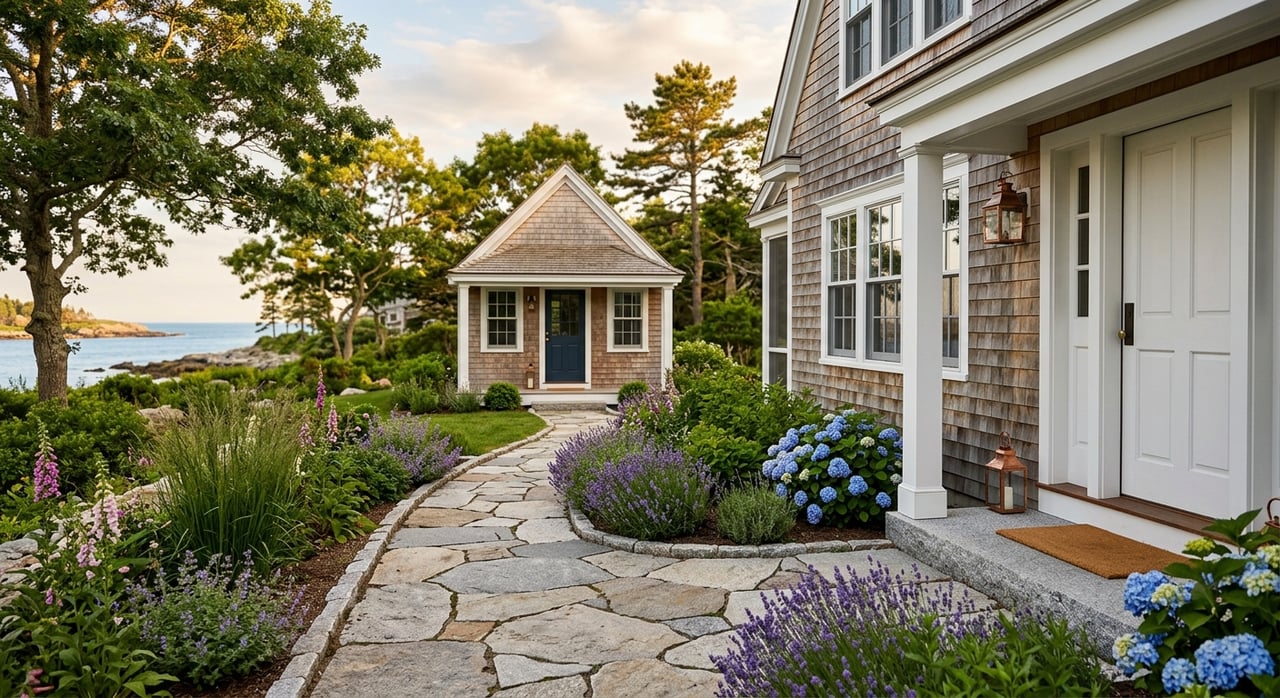
That outdoor access changes the feel of daily life. For many buyers, especially relocators and retirement-minded homeowners, Woolwich offers the chance to come home to something quieter and more scenic after a workday.
This matters because a commuter town is not just about the drive. It is also about what your home base gives back to you when the workday ends.
Woolwich is often a strong match if you want a rural setting with direct access to Bath, practical reach to Brunswick, and a lifestyle shaped by water and open space. It can also appeal if you are comfortable relying on your car for most errands and day-to-day movement.
It may be less ideal if you want a dense, walkable retail district or if you need short and highly predictable drive times every day, especially during peak Route 1 travel periods. Seasonal traffic can affect the experience, particularly when your travel patterns take you south.
In short, Woolwich tends to work best for buyers who value space, scenery, and access over convenience at the doorstep. If that sounds like you, it may be one of the more compelling Midcoast options to explore.
If you are weighing several towns, the clearest comparison is this: Bath is the direct bridge-linked job center, Brunswick adds broader regional services and health care, and Wiscasset offers Route 1 convenience with more visible seasonal traffic friction.
Woolwich sits between those choices. You often get more room and a quieter living environment than in larger service centers, but you give up some everyday amenities within immediate reach.
That tradeoff is exactly why the town appeals to many buyers. For the right household, Woolwich offers a practical balance between work access and a more relaxed Midcoast lifestyle.
If you are comparing Woolwich with Bath, Brunswick, Wiscasset, or other nearby towns, working with a local expert can help you weigh commute patterns, housing options, and lifestyle fit with much more confidence. When you are ready to talk through your move, connect with Marsha DeCosta for thoughtful, local guidance.
Stay up to date on the latest real estate trends.
With a trusted network of industry experts—including photographers, stagers, lenders, inspectors, and title professionals—Marsha ensures every transaction is handled with precision and care from start to finish. Whether you’re buying your first home, searching for a coastal retreat, or ready to list your property, Marsha DeCosta is a REALTOR® who makes every client’s real estate experience seamless, informed, and rewarding.
Marsha DeCosta
[email protected]
(207) 380-9970
License #BR925618
152 Main Street Wiscasset ME 04578