Alna Maine Land for Sale and Country Homes Guide
April 23, 2026
April 23, 2026
Dreaming about a quieter property with more room to spread out? Buying land and country homes in Alna, Maine can be a great fit if you want privacy, flexibility, and a rural Midcoast setting, but it also calls for careful due diligence. From lot size rules to road access and utility questions, a beautiful parcel is only part of the story. Here’s what you should know before you buy in Alna.
Alna appeals to buyers who want a rural setting without feeling too far removed from everyday needs. Recent listing descriptions often point to access to Route 1 and convenient drives to Wiscasset and Damariscotta, which helps explain why buyers looking for space keep Alna on their radar.
The town’s housing profile also supports that country-property feel. A Lincoln County housing needs assessment lists Alna at 710 residents and 301 households, with a median year built of 1978. For you as a buyer, that often means older homes, varied parcel sizes, and more site-specific details to verify than you might expect in a more suburban market.
One of the biggest things to know about Alna is that there is no single “typical” property. Public listing examples show a wide range of parcel sizes, from smaller country lots around 1.5 to 4.6 acres to mid-sized tracts around 8.5, 11.9, and 15 acres.
There are also larger opportunities for buyers who want more substantial acreage. Recent examples have included holdings around 42, 83, and even 319.6 acres, which shows that Alna can work for very different goals, whether you want a country home with a manageable lot or land with longer-term possibilities.
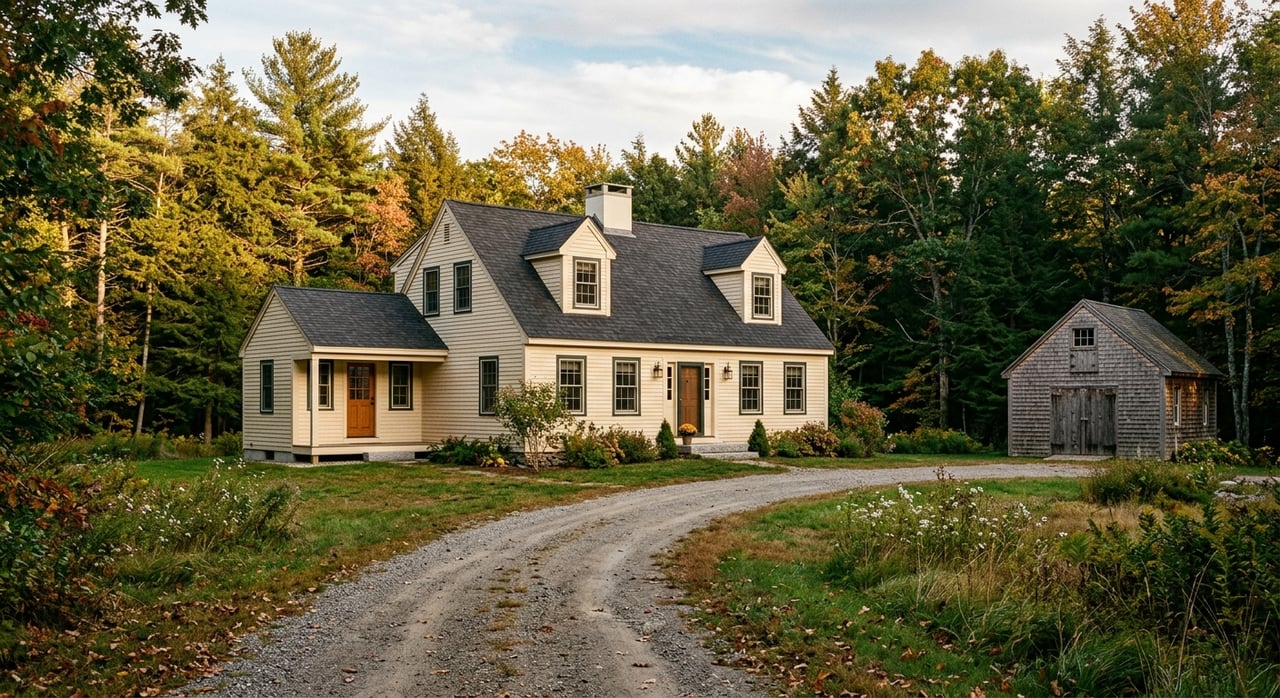
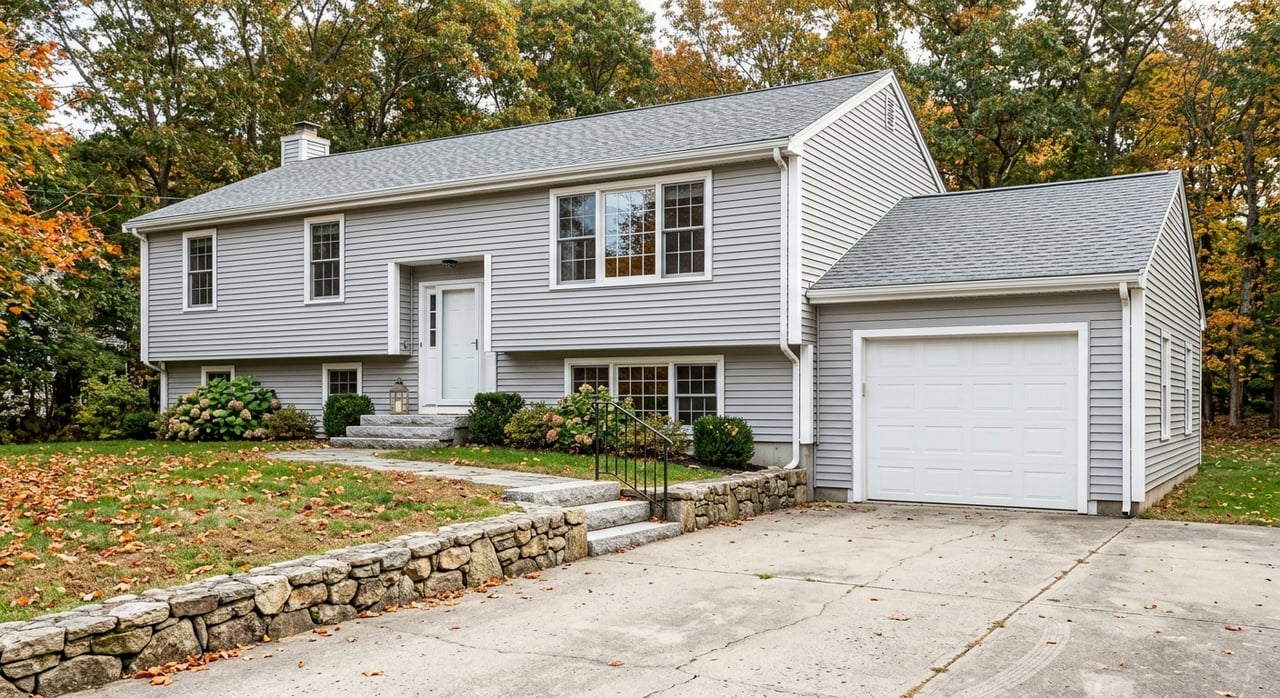
Home styles vary too. Public listing examples have included Cape Cod, ranch, post-and-beam, and manufactured homes, along with features like barns, workshops, storage lofts, guest space, first-floor bedrooms, and supplemental heat.
Before you fall in love with a parcel, check whether it works for your plans under the current local rules. Alna’s Land Use Ordinance, amended March 23, 2024 and effective July 1, 2024, is a key document for buyers.
The ordinance says the town’s 2-acre minimum lot size still applies to dwelling units, but not to accessory dwelling units, or ADUs. It also states that vacant lots under 2 acres are not buildable for a dwelling unit, lots from 2 to under 4 acres can support 1 dwelling unit and 1 ADU, and lots of 4 or more acres can support 2 dwelling units and 1 ADU.
That matters if you are thinking beyond the initial purchase. If you may want guest space, a detached ADU, or flexibility for future living arrangements, your acreage and lot status should be part of your decision from day one.
In a rural town like Alna, road access is not a small detail. According to the town’s 2026 Road Management Plan, Alna has 29.6 miles of public roads, with 15.7 miles maintained by the state and 13.9 miles maintained by the town.
The same plan says about 8.6 miles of town-maintained roads are paved and 5.4 miles are gravel. It also notes that the town provides winter plowing for all listed roads. For you, that makes it important to ask whether the property sits on a state-maintained road, a town-maintained road, or a private way.
If a property includes a long driveway or access over a private road, ask early about maintenance responsibility. Plowing, grading, culverts, and drainage can all affect both your budget and your day-to-day use of the property.
Utility status is another area where rural properties can differ from one another in a big way. Public listing examples in Alna show that some parcels may have no electric, sewer, or water in place, while others may reference private wells, septic design availability, or generator hookups.
That means utility feasibility should be an early step, not a late one. If you are buying vacant land or a country property that needs upgrades, make sure you understand what exists now and what would need to be extended, designed, or improved.
If you are considering a property near water, do not assume that a scenic setting automatically gives you full flexibility to build or expand. Alna provides a shoreland zoning map and floodplain management resources, and the shoreland map identifies areas around the Sheepscot River, Trout Brook, Culvert Brook, and Pinkham Pond.
For waterfront or low-lying parcels, it is smart to confirm whether shoreland zoning or floodplain status may affect setbacks, building areas, additions, garages, or other future improvements. This is especially important if you are buying for long-term use and want options later.
If your interest in Alna includes future subdivision potential, you will want to dig deeper than the basic lot rules. The town’s Subdivision and Site Plan Ordinance requires additional review items such as a high-intensity soil survey, perimeter survey, access and right-of-way details, utility locations, wetlands and flood-hazard boundaries, and in some cases hydrogeologic review.
The ordinance also sets baseline road standards, including a minimum 50-foot right-of-way and dead-end turnarounds. If your long-term idea involves splitting land or creating new access, it is worth evaluating that potential carefully before you buy.
When you shop for a country home in Alna, the land often matters as much as the house itself. Barns, workshops, outbuildings, supplemental heat sources, one-floor living, storage lofts, and flexible space show up regularly in public listing examples.
That can be a real advantage if you want a property that supports hobbies, storage needs, or multi-use living. At the same time, older homes and rural systems can require a closer look at condition, access, and future maintenance.
On larger tracts, property tax treatment may be part of the value conversation. One recent large-acreage listing in Alna noted that much of the land was enrolled in Tree Growth and highlighted the tax advantage.
If you are looking at a substantial parcel, it is worth asking whether any current tax program or restriction affects the land. That can influence both carrying costs and what you can do with the acreage later.
If you are serious about buying land or a country home in Alna, bring a practical checklist with you. A few early questions can save you time and help you focus on properties that truly fit your goals.
In Alna, a good purchase is about more than finding a pretty setting. You want to know that the lot, access, utilities, and ordinance rules all line up with how you plan to use the property now and in the future.
That is where local guidance can make a real difference. When you are comparing rural properties, having someone help you ask the right questions early can make the process smoother and help you avoid costly surprises.
If you’re exploring land or country homes in Alna and want practical, local guidance, connect with Marsha DeCosta. She brings calm communication, Midcoast market knowledge, and hands-on support to help you move forward with confidence.
Stay up to date on the latest real estate trends.
With a trusted network of industry experts—including photographers, stagers, lenders, inspectors, and title professionals—Marsha ensures every transaction is handled with precision and care from start to finish. Whether you’re buying your first home, searching for a coastal retreat, or ready to list your property, Marsha DeCosta is a REALTOR® who makes every client’s real estate experience seamless, informed, and rewarding.
Marsha DeCosta
[email protected]
(207) 380-9970
License #BR925618
152 Main Street Wiscasset ME 04578