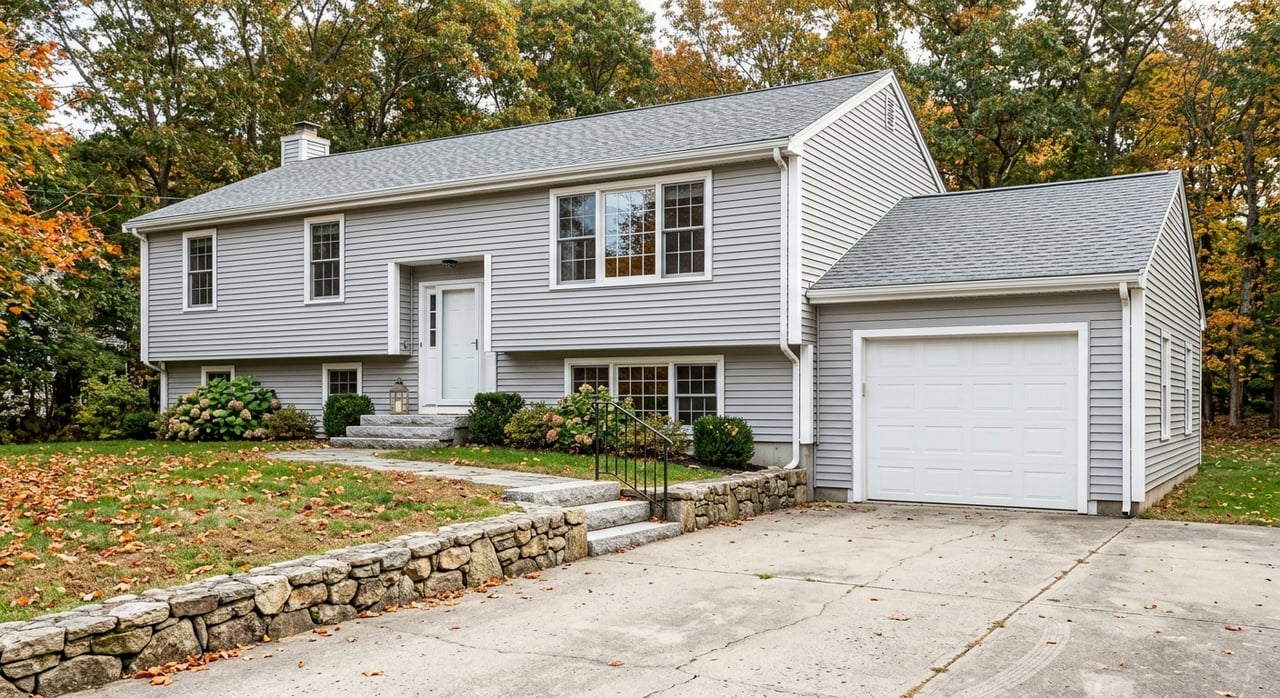
Newcastle Maine Home Styles & Micro-Neighborhood Guide
April 2, 2026
April 2, 2026
If Newcastle feels a little harder to "read" than a town built around modern subdivisions, that is because it is. Here, the housing story is shaped by village streets, historic corridors, campus areas, and rural roads instead of neighborhood names on entrance signs. If you are trying to figure out where you fit best in Newcastle, this guide will help you understand the home styles, lot patterns, and micro-neighborhoods that matter most. Let’s dive in.
Newcastle is best understood through its village pattern, historic resources, and zoning districts, not through large, newer subdivision maps. The town’s Core Zoning Code organizes Newcastle into districts D1 through D6, along with several special districts for areas like the campus, marine waterfront, conservation land, highway commercial uses, civic uses, and fabrication.
That framework matters because it explains why one part of town may feel compact and walkable while another feels rural and spread out. It also helps you set better expectations for lot size, building type, and future development patterns before you buy.
Newcastle Village is the town’s main civic and amenity center. According to the town’s comprehensive plan, this is where many civic, health, education, cultural, and shopping needs are concentrated.
In practical terms, the village has an older, intact neighborhood pattern with narrow streets and lanes, smaller homes on compact lots, and some larger homes on estate-like parcels. Rear-yard barns, carriage houses, and other older accessory structures are part of the historic pattern, which gives this area a distinctly traditional village feel.
The town is also working to strengthen walkability in the village area, especially around the Route 1 off-ramp and River Road node, along with the U.S. 1B, Mills Road, and Academy Hill Road node. Through its village planning initiative, Newcastle is aiming to improve features like sidewalks, street trees, parking, and mixed-use infill.
If you want to be closer to shops, services, and a more connected street layout, the village core deserves a close look. It can also be a good fit if you like older homes with architectural character and do not mind smaller yards or homes set closer together.
Academy Hill sits above Main Street, but it is still considered part of the village. The town’s comprehensive plan describes this area as being anchored by St. Patrick’s Catholic Church, Lincoln Academy, and the former rail station.
What makes Academy Hill stand out is its mix of building types and uses. Older commercial and industrial buildings have been repurposed for manufacturing, technology, apartments, and campus housing, so this area reads less like a standard single-family neighborhood and more like a hybrid of institutional, adaptive-reuse, and infill development.
If you are hoping for a lower-maintenance property, an apartment-style option, or a location tied more closely to the village core, Academy Hill is one of the areas to watch. It is also one of the places where Newcastle is more openly planning for denser housing patterns over time.
River Road is one of Newcastle’s signature residential corridors because it blends historic homes, river views, and shoreline conditions. The Frances Perkins National Monument at 478 River Road offers a strong example of this setting, with its 57-acre saltwater farm, the Brick House built in 1837, historic farm buildings, woods, fields, and shoreline.
For buyers, this corridor often offers some of the strongest visual character in town. At the same time, homes near tidal water may be shaped by shoreland zoning rules, which generally require larger minimum lot sizes and frontage than many inland residential areas unless the property falls within denser village districts served by municipal water and sewer.
A River Road property may offer historic appeal, water proximity, or landscape value, but it may also come with more site-specific considerations. Depending on the parcel, you may need to think more carefully about frontage, lot standards, and the long-term upkeep that can come with older homes and waterfront-adjacent land.
Some of Newcastle’s most interesting housing is found in smaller pockets rather than broad neighborhood districts. The town’s historic design manual identifies Glidden Street as a distinct older residential area and uses homes there as examples of both Second Empire and Queen Anne architecture.
The same manual notes that some blocks are lined with rows of similar capes. That is useful if you are comparing properties, because it shows how certain streets in Newcastle have a very consistent rhythm where rooflines, porches, proportions, and facade details shape the overall feel of the block.
In these smaller village-edge pockets, the appeal is often about context as much as square footage. A house that fits the street pattern and historic character may feel very different from a home on a larger but more isolated lot elsewhere in town.
The historic design manual also points to Sheepscot Village and the Damariscotta Mills historic district as examples of Newcastle’s older residential fabric. In Sheepscot Village, the manual highlights Federal and Greek Revival forms, while Damariscotta Mills is shown as having a broader variety of building shapes and types.
That tells you something important about these enclaves. They are not defined by uniform, modern tract housing. Instead, they reflect older development patterns where building form, setting, and local history matter more than a single neighborhood style.
Outside the village and river corridors, Newcastle shifts into a much more rural landscape. The town’s zoning code describes the D1 Rural district as an area of forested lands, fields, rivers, and streams, with homes interspersed on lots ranging from 1 acre to more than 100 acres.
Typical buildings in D1 include houses, farmhouses, cabins, and agricultural structures. Homes may sit close to the road or be set well back behind trees, fields, or other natural features, which creates a very different living pattern from the tighter village streets.
If you want more privacy, more land, or a quieter setting, the rural interior may be the clearest fit. The tradeoff is usually more exterior upkeep, more land management, and longer driveways or greater distance from the village center.
Newcastle’s historic design manual provides the clearest guide to the town’s major home styles. In many cases, these styles are tied closely to the older village, riverfront, and historic enclave areas.
Federal homes in Newcastle are typically symmetrical five-bay houses with aligned double-hung windows, an emphasized cornice, and a fanlight or elliptical transom over the front door. The manual notes that three-bay Federal houses are less common locally.
If you are drawn to formal balance and early village character, this is one of the clearest architectural signals to look for.
Greek Revival is one of Newcastle’s strongest visual styles. The town manual describes low-pitched roofs, bold cornice lines, partial-height entry porches, and shallow half-stories, and it notes that these homes are commonly found in Newcastle.
For many buyers, this style is the one most likely to signal an early-to-mid-1800s village or riverside home.
Italianate houses appear in Newcastle as well, especially in older village pockets. These homes are typically two or three stories with low-pitched roofs, decorative brackets, tall narrow windows, and full-width or partial-width porches.
Compared with Greek Revival homes, Italianate houses often read as slightly later and a bit more decorative.
Second Empire and Queen Anne homes are present in Newcastle, but they are uncommon. The town’s manual points to examples in the Glidden Street area, which means features like mansard roofs, towers, irregular massing, and textured shingles are more likely to stand out than blend in.
If you find one of these homes, you are likely looking at something more distinctive within Newcastle’s housing mix.
Not every home in Newcastle fits a formal style label. The historic design manual describes vernacular buildings as the everyday background architecture of the town, shaped by regional materials, practical building methods, and simpler forms.
That aligns well with what you see across D1, D2, and parts of D4, where detached homes, barns, carriage houses, farmhouse lots, and rural compounds often matter more than a textbook architectural category.
Lot pattern is one of the biggest practical differences from one part of Newcastle to another. The zoning code offers a helpful way to think about what that may mean for your day-to-day experience.
D5 Village Business and D6 Town Center are the most compact parts of town. In these districts, lot widths can range from as narrow as 20 feet to 100 feet, and front setbacks may be minimal or even zero, placing buildings closer to the sidewalk and street edge.
These districts are intended to support infill and missing-middle housing types such as apartments, stacked flats, duplexes, live-work spaces, and townhouses.
D4 Village Residential is still compact, but it is more house-focused. Lot widths generally range from 50 feet to 150 feet, with modest setbacks and a pattern built around detached and attached homes on small to medium-sized lots.
If you picture a traditional Maine village street with older homes, small yards, and accessory buildings, D4 is often the closest match.
D2 Neighborhood Residential acts as a transition between village and rural areas. According to the zoning code, these lots are wider, generally ranging from 80 feet to 200 feet, and the district emphasizes low-to-medium density, longer blocks, generous side and rear yards, and accessory barns or carriage houses.
This district can appeal to buyers who want some breathing room without moving fully into a large-acreage rural setting.
D1 Rural expands dramatically in scale, from 1-acre lots to parcels of more than 100 acres. Near the water, Newcastle’s shoreland standards add another layer. In general, residential lots in the shoreland zone adjacent to tidal waters need 30,000 square feet and 150 feet of shore frontage, while non-tidal shoreland residential lots generally need 40,000 square feet and 200 feet of frontage unless denser village standards apply.
That can shape not just what you buy, but also how much property you will maintain and how much separation you may have from neighboring homes.
If you are narrowing your Newcastle search, it helps to match your lifestyle priorities to the parts of town most likely to support them.
Newcastle is a village-and-river community with a layered housing pattern. Instead of asking which subdivision is best, it usually makes more sense to ask whether you want village access, historic character, waterfront context, campus adjacency, or rural space.
That is where local guidance can make a real difference. If you want help sorting through Newcastle’s micro-neighborhoods, zoning context, and home styles, Marsha DeCosta offers practical, place-based support to help you find the right fit with confidence.
Stay up to date on the latest real estate trends.
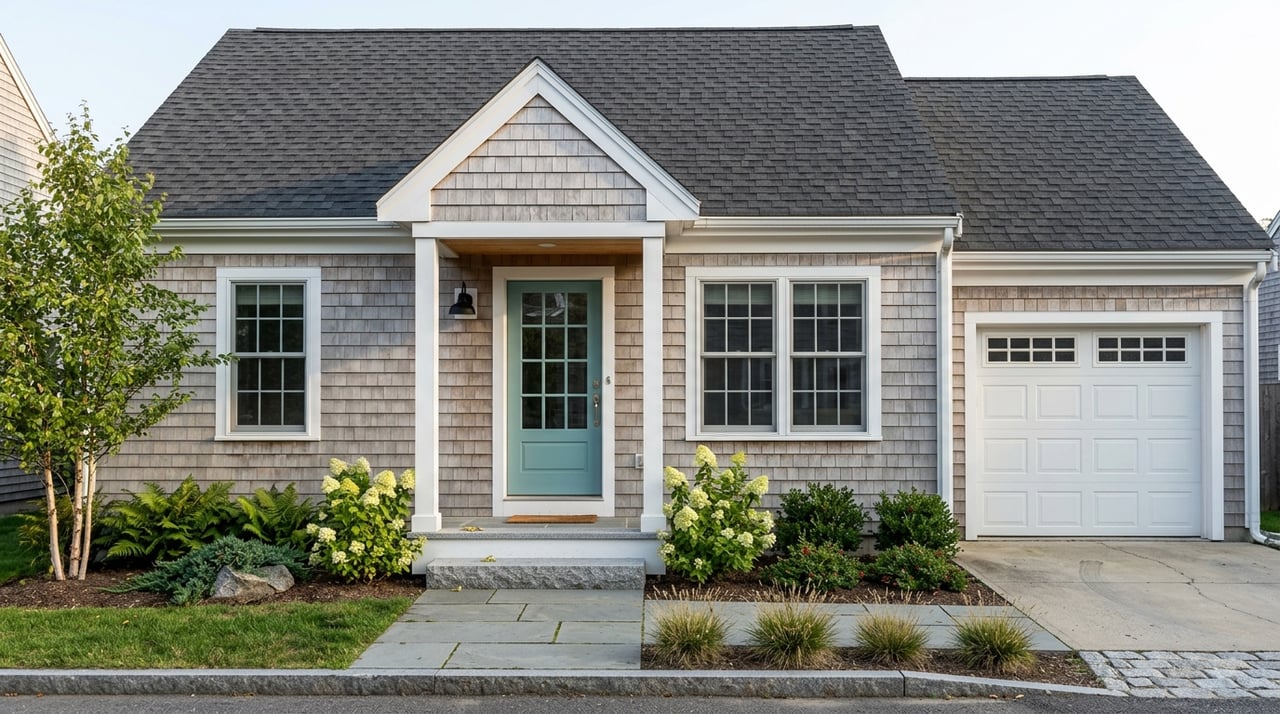
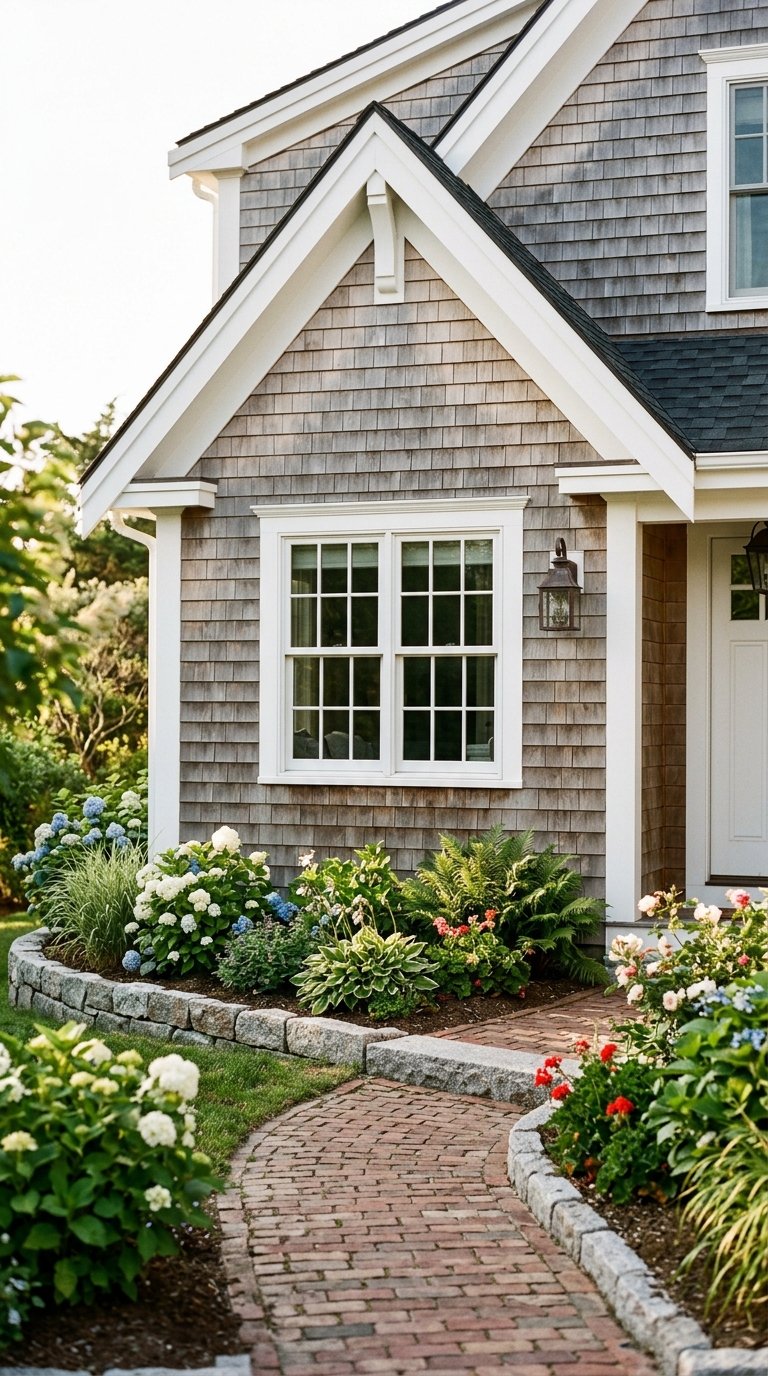
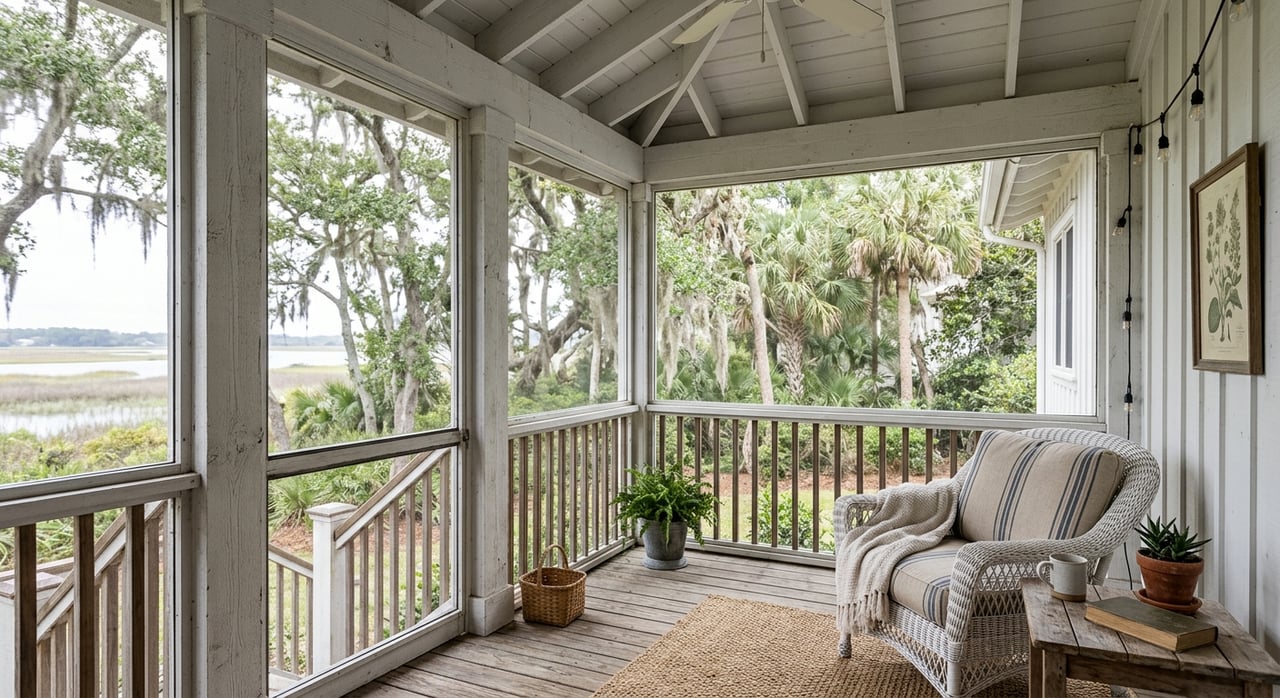
With a trusted network of industry experts—including photographers, stagers, lenders, inspectors, and title professionals—Marsha ensures every transaction is handled with precision and care from start to finish. Whether you’re buying your first home, searching for a coastal retreat, or ready to list your property, Marsha DeCosta is a REALTOR® who makes every client’s real estate experience seamless, informed, and rewarding.
Marsha DeCosta
[email protected]
(207) 380-9970
License #BR925618
152 Main Street Wiscasset ME 04578