Guide for Bath Maine Move-Up Buyers Planning a New Home
March 24, 2026
March 24, 2026
Thinking about moving up to a larger or more updated home in Bath, Maine? You are not alone. Many local owners are weighing how to buy their next place while selling their current one, especially with Bath’s charming historic homes and in-town lifestyle. In this guide, you will learn how to time your sale and purchase, what to expect from Bath’s older housing stock, how to budget local costs, and which financing paths help you compete. Let’s dive in.
Bath’s 04530 market has favored well-priced listings. Industry portals show a typical price band roughly between about 390,000 and 460,000 in early 2026, depending on the data source and month measured. Methods vary by site, which is why numbers differ. What matters most is the live snapshot the week you plan to act. Ask for an updated Bath CMA and days-on-market review to guide your plan.
Inventory has been lean relative to demand. Days on market can run from a few weeks to a couple of months by price point and condition. In tighter weeks, contingent offers carry less weight. If you need to buy first, consider strategies that let you write a stronger, more flexible offer.
In-town Bath offers walkable Front Street shops and dining, waterfront parks, and the Maine Maritime Museum experience. If you love history, maritime culture, and an easy reach to Midcoast amenities, you will see why many buyers prioritize living near downtown. Local employment also supports steady demand. Bath Iron Works has announced workforce housing activity that can influence near-term supply, traffic patterns, and neighborhood expectations as projects move forward. Explore a museum day to get a feel for the area and follow BIW news for context on local housing dynamics.
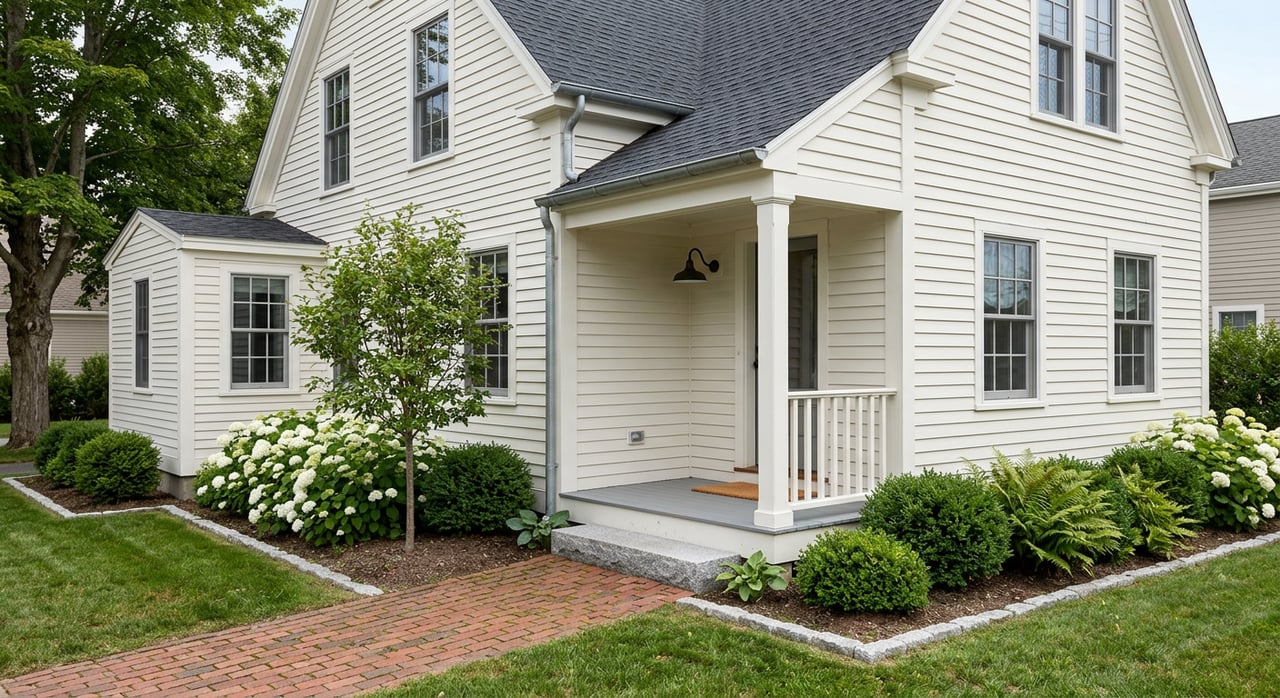
Most in-town homes date from the 1800s and early 1900s, with Federal, Greek Revival, Italianate, and Victorian influences. Expect wood-frame construction, porches, detailed trim, and a range of lot sizes. Many homes have seen partial updates over the years. When comparing options, look closely at roofs, windows, electrical systems, heating equipment, and moisture management in basements or crawl areas.
Parts of Bath fall within a Historic Overlay. Exterior changes such as window replacements, porch work, additions, and some paint or façade updates often require historic-district approval before a building permit will issue. Smaller items can sometimes be approved administratively within days, while larger projects may require a formal review and meeting schedule. If you plan exterior work, build this timing into your renovation plan and purchase contingencies. Review the city’s overlay rules in Section 8.12 to understand what triggers approval. Read the code summary here: Bath Historic Overlay District rules.
Below are four common ways move-up buyers coordinate a purchase and sale. Your best option depends on your equity, risk tolerance, and the competitiveness of the listing you want.
Sell first
Buy first with a bridge loan
Use a HELOC or cash-out refinance
Buy-before-you-sell programs
A simple way to choose: model the costs for two scenarios you actually face. For example, compare 60 days of double carrying costs under a HELOC to the fee structure of a buy-before program or the interest cost of a bridge loan. Use realistic listing timelines and tax and utility estimates from Bath’s current rates.
Sale contingency with kick-out
Rent-back after closing
Bath’s in-town homes reward thoughtful due diligence. Plan for targeted inspections and budget for potential upgrades so surprises do not derail your timeline.
Homes built before 1978 require a federal lead disclosure and give buyers a standard 10-day window to conduct a lead inspection if requested. If young children or pregnant adults will occupy the home, you may choose to test and plan mitigation where needed. Read more about the federal rule here: EPA lead disclosure and testing window.
Older homes may have knob-and-tube or early cloth-insulated wiring, undersized service panels, or known-problem brands. These can affect both insurability and lender approval. A licensed electrician’s report will help you understand scope and cost. Learn common issues to watch for: Old-house wiring overview.
Maine has many properties with older above-ground or buried oil tanks. Removal and soil testing are regulated and add time to your schedule. Typical removals can run in the low-thousands, and contamination remediation can be much higher. If a tank is present, request documentation early and build in time for permitting and lab results if removal is needed. See process and cost factors: Oil tank removal in Maine.
Nineteenth-century stone foundations and shallow basements can be prone to dampness. Look for evidence of water management like gutters, grading, sump pumps, or vapor barriers. If a report shows elevated moisture, negotiate a credit or a targeted fix rather than a broad, undefined repair list. Clear documentation helps keep lenders and insurers comfortable.
Maine law requires sellers to provide a written residential property disclosure addressing known material defects and major systems. If the disclosure is delivered after you go under contract, it can create a short cancellation window for the buyer. As a move-up buyer who is also selling, prepare your own disclosure early to avoid delays and confusion on your listing. Read the statute here: Maine Title 33, Residential Property Disclosures.
For pre-1978 homes, ensure the federally required lead-paint disclosure is included with the listing packet. If you plan exterior work in a historic area, verify whether approvals are needed before closing or as a post-closing repair requirement. Bath’s building permit cannot issue for covered exterior work until historic approval is on file. Review Section 8.12 for specifics: Historic Overlay District rules.
The City of Bath’s FY 2026 tax rate is $16.10 per $1,000 of assessed value. For a $450,000 assessment, that is roughly $7,245 per year before any exemptions or adjustments. Confirm your property’s assessed value and the current commitment when you set your budget. See tax information here: City of Bath tax commitments.
Much of in-town Bath is served by municipal sewer. The city publishes quarterly rates, per-100 cubic feet charges, and new connection fees. If you are comparing homes on sewer to homes on private septic or well, use the published schedule to estimate ongoing costs or connection costs. Review current numbers here: Bath sewer rates and fees.
Closing costs vary by loan type, price, and discount points, and who pays what can be negotiated. Your lender can run a Loan Estimate showing projected costs under different rate and point scenarios. If you plan to buy first, ask for a side-by-side estimate that includes your carrying costs for 60 to 90 days.
Use this checklist to keep your sale and purchase aligned. Adjust the pacing to match Bath’s weekly market tempo.
8 to 10 weeks out
4 to 6 weeks out
Listing week
Under contract
You deserve a plan that protects your timing, your equity, and your peace of mind. With deep Midcoast experience and a vetted network of lenders, inspectors, stagers, photographers, and title partners, we tailor your buy-and-sell strategy to Bath’s weekly market reality. From pre-list preparation and pricing to offer strategy, negotiations, and coordinated closings, our hands-on approach keeps every step clear and calm.
Ready to map out your move-up in Bath? Connect with Marsha Decosta for a local game plan, a data-backed valuation, and introductions to trusted lenders and vendors.
Stay up to date on the latest real estate trends.
With a trusted network of industry experts—including photographers, stagers, lenders, inspectors, and title professionals—Marsha ensures every transaction is handled with precision and care from start to finish. Whether you’re buying your first home, searching for a coastal retreat, or ready to list your property, Marsha DeCosta is a REALTOR® who makes every client’s real estate experience seamless, informed, and rewarding.
Marsha DeCosta
[email protected]
(207) 380-9970
License #BR925618
152 Main Street Wiscasset ME 04578