What It’s Like To Own A Second Home In Boothbay Harbor
March 5, 2026
March 5, 2026
Dreaming about a coastal escape where you can walk to the dock, grab fresh seafood downtown, and settle into quiet nights under a big Maine sky? Boothbay Harbor gives you that small-town, working-waterfront feel with the comforts of a classic summer destination. If you are weighing a second home here, you want a clear picture of the seasons, boating logistics, rental rules, and the practical side of ownership.
This guide breaks down what life here really looks like for second-home owners, from harbor access and short-term rentals to winter prep and travel time. You will leave with a simple checklist and next steps you can use right away. Let’s dive in.
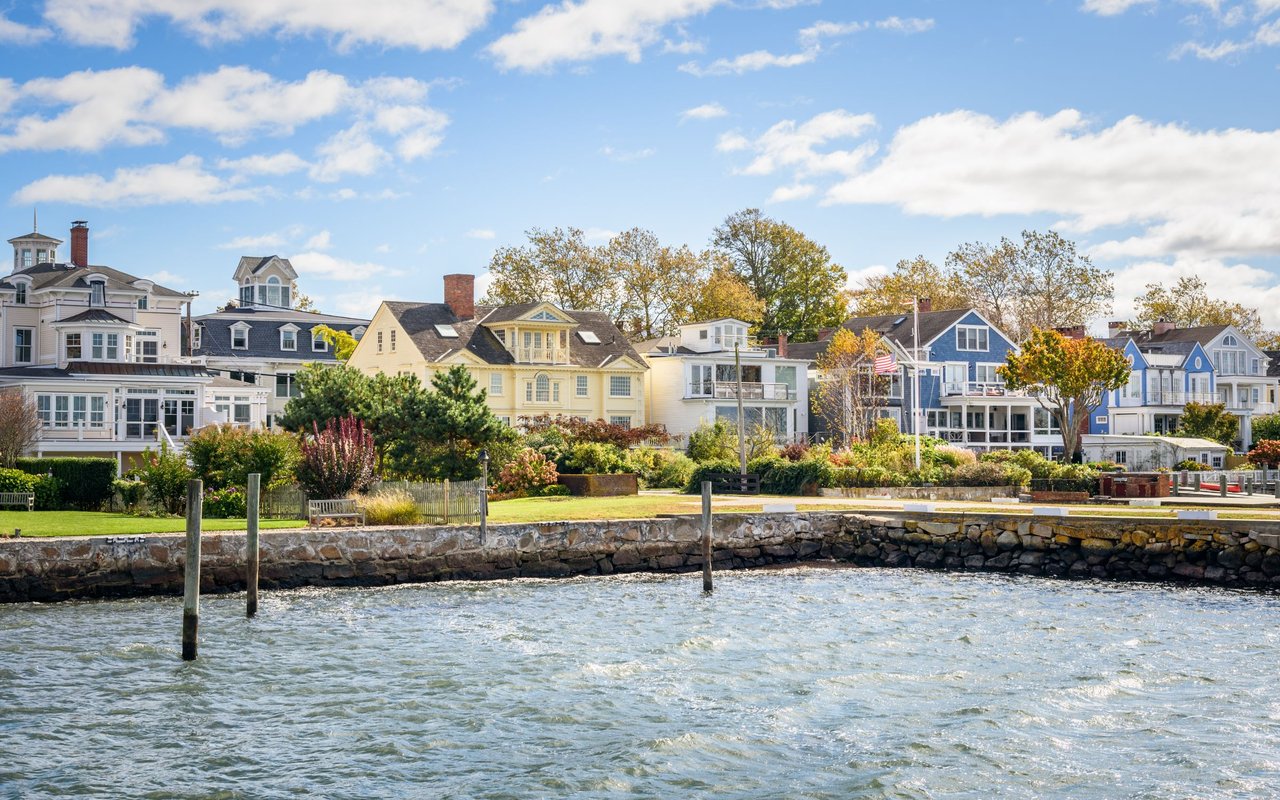
Boothbay Harbor is a small Midcoast Maine town with a compact, walkable downtown, active marinas, and a long maritime heritage. The local scene feels personal and authentic, with working boats sharing the water with visiting yachts. You get galleries and restaurants, public floats, and easy access to launch points without the feel of a sprawling resort.
Summer is the headline season. Signature events fill the calendar, including tall ships, fireworks, and community celebrations. The town’s event hub keeps an updated list, which helps you plan visits around festivals and busy weekends. Explore upcoming highlights on the region’s local festivals and events page.
Boothbay Harbor runs on a clear seasonal rhythm. Peak months stretch from late spring through early fall, especially June through September. That is when you will see the most boat traffic, restaurant buzz, and weekend crowds. The shoulder season in fall brings leaf-peepers and a calmer pace. Winters are quiet. Some businesses reduce hours or close, and service availability can be limited.
If you plan to rent your home, those same seasonal patterns often shape income. Summer drives the strongest demand, with shorter stays possible in spring and fall. Winter bookings can happen, but they are less common and depend on your setup and location.
If boating is part of your dream, plan ahead. Boothbay Harbor’s municipal port rules govern moorings, waiting lists, inspections, and renewals. The Harbor Master oversees placement, manages priority lists, and requires regular hardware inspections. Before you count on a town mooring, read the harbor regulations and mooring rules and ask about current wait times.
Private marinas and boatyards fill the gap for many second-home owners. Hodgdon Marina and Hodgdon Yacht Services, among others, provide dockage, fuel, storage, and yard work. Rates and availability vary widely by vessel size and location. Check seasonal options early and confirm policies for storage, haul-outs, and transient slips at Hodgdon Marina.
Key takeaway: owning waterfront does not automatically guarantee a mooring or slip. Many owners combine options. They keep a boat at a private marina, rent a seasonal mooring, or plan for storage and launch when they are in town. Build your timeline around the permitting calendar and marina waitlists.
Boothbay Harbor and nearby towns continue to discuss how to handle short-term rentals and accessory dwelling units. The policy landscape is evolving, with ideas such as registration, safety checks, and minimum stays under review. If you plan to rent, follow local updates and check with the town’s Code Enforcement office. For background on current conversations, read local reporting that outlines recent planning discussions about STRs and ADUs in the region in the Boothbay Register.
For taxes, Maine treats most vacation rentals like lodging. Many owners must register with Maine Revenue Services and collect and remit the state lodging tax on guest stays. Regional managers emphasize compliance, clear house rules, and making sure your septic capacity, parking, and safety features match your intended occupancy. For a practical overview of common owner tasks and tax expectations, browse the FAQs from a regional manager at Cottage Connection.
If you prefer hands-off management, full-service vacation rental programs are available. Typical fees often land in the mid-20 percent range of rental revenue, depending on services and company. That fee typically covers marketing, guest communication, cleaning scheduling, and basic maintenance coordination.
As part of your financial planning, confirm local property tax timing and due dates with the town. The documents portal lists forms, schedules, and municipal contacts. Review current details on the town’s forms and documents page.
Maine coastal homes need deliberate winter care. If your place will sit vacant for stretches, plan a simple, repeatable routine:
Use a detailed winterization checklist to avoid surprises. A practical, step-by-step reference is available in this vacation home winterizing guide.
Flood exposure is another key factor. Parts of Boothbay Harbor fall within mapped coastal flood zones. Flood designations affect insurance needs and sometimes your mortgage requirements. Before you make an offer, review parcel-specific risk using FEMA Flood Insurance Rate Maps and regional planning resources. You can start with the Lincoln County Regional Planning Commission’s page on FEMA flood maps and FIRMs.
Service availability can vary by property. Confirm whether a home is on public sewer or a private septic, and check water, trash, electric, and internet options for the address. The town lists helpful numbers for key local districts and services. Keep these handy as you set up accounts or schedule seasonal work using the town’s helpful links and phone numbers.
Contractor schedules also follow the seasons. Carpenters, plumbers, electricians, landscapers, and marine trades are busiest from May through October. If you know you will need winterization, septic inspections, or dock work, line up vendors early. Many second-home owners hire a manager or a home-watch service to coordinate routine checks and off-season repairs.
Boothbay Harbor is within comfortable weekend range for many New Englanders. The drive from Portland International Jetport typically runs about 1 to 1.5 hours, depending on the route and traffic. From the Boston area, plan on roughly 2.5 to 3 hours or more by car. For a quick planning check, see estimated drive times between PWM and Boothbay Harbor on Travelmath.
In peak season, add buffer time for coastal traffic, bridge crossings, and event weekends. If you are coordinating with marina haul-outs or island ferries, build your schedule around posted timetables and weather windows.
Use this short list to focus your due diligence before you write an offer:
Flood risk and insurance. Confirm whether the property is in a FEMA flood zone. Ask your lender and insurance agent for guidance and review regional FEMA maps.
Property taxes. Call the town assessor for the current mill rate and payment schedule. Review the town’s documents portal for any tax deadlines or special assessments.
Boating logistics. If a mooring or slip is a must, read the town’s mooring rules and ask about waitlists. Contact private marinas about seasonal and transient options.
Short-term rentals. If you plan to rent, check current local STR rules with the town. Register with Maine Revenue Services for lodging tax and confirm septic capacity, parking, and safety requirements for your intended occupancy.
Winterization plan. Decide whether you will do seasonal shutdowns yourself or hire help. Use a winterizing checklist and consider a home-watch service if you will be away.
Utilities and services. Verify sewer or septic, water source, trash pickup, electric provider, and internet options for the address.
Vendor network. Line up trusted local trades for routine maintenance and seasonal tasks. Schedule work well ahead of peak months.
A second home should feel easy, not stressful. You deserve a calm, knowledgeable partner who knows the harbor rules, seasonal rhythms, and which vendors to call when something needs attention. With deep Midcoast roots and a full-service approach, you get clear communication, practical problem-solving, and a vetted team for inspections, staging, photography, lending, and closing.
If you are comparing neighborhoods, weighing rental potential, or mapping out mooring options, get local, place-based guidance tailored to your goals. Reach out to Marsha DeCosta to talk through your plans and next steps.
Stay up to date on the latest real estate trends.
With a trusted network of industry experts—including photographers, stagers, lenders, inspectors, and title professionals—Marsha ensures every transaction is handled with precision and care from start to finish. Whether you’re buying your first home, searching for a coastal retreat, or ready to list your property, Marsha DeCosta is a REALTOR® who makes every client’s real estate experience seamless, informed, and rewarding.
Marsha DeCosta
[email protected]
(207) 380-9970
License #BR925618
152 Main Street Wiscasset ME 04578