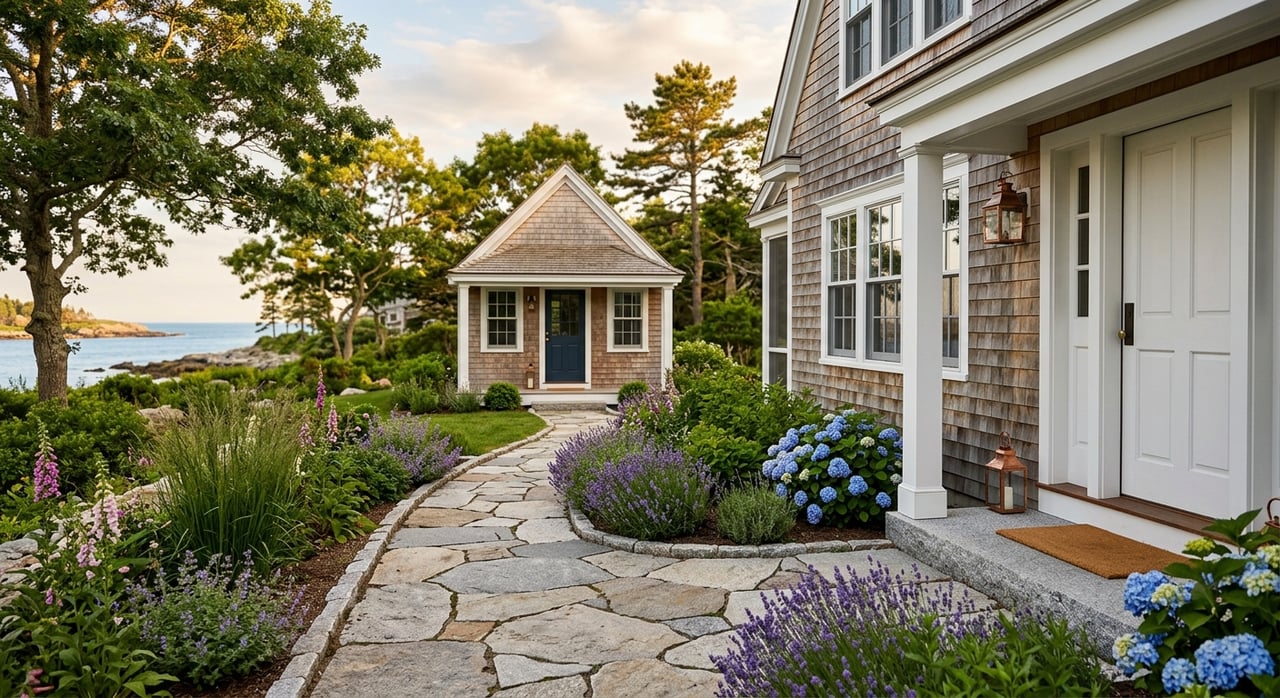
Explore Bristol Maine Coastal Homes on the Pemaquid Peninsula
May 21, 2026
May 21, 2026
Dreaming about life on the Maine coast, but want a place that feels more lived-in than resort-like? Bristol offers that balance. On the Pemaquid Peninsula, you get working harbors, historic landmarks, village-scale living, and a housing market shaped by both year-round residents and seasonal homeowners. If you are exploring homes here, it helps to understand how Bristol is laid out, what daily life feels like, and which home options may fit your goals. Let’s dive in.
Bristol is not built around one central downtown. Instead, the town is organized around five villages: Bristol Mills, Round Pond, Chamberlain, New Harbor, and Pemaquid. Route 130 and Route 32 connect these areas, creating a pattern of living that feels spread out, coastal, and distinctly local.
That layout matters when you start your home search. In Bristol, your experience often depends less on one town center and more on how close you want to be to the shore, harbor activity, and the route to everyday services. For many buyers, that village-based rhythm is a big part of the appeal.
The town’s planning goals also help explain Bristol’s character. Local planning documents describe an effort to guide growth in ways that protect Bristol’s rural atmosphere, environmental resources, and recreational value. In practical terms, that means Bristol has kept a lower-density, coastal-house feel rather than developing into a more built-up market.
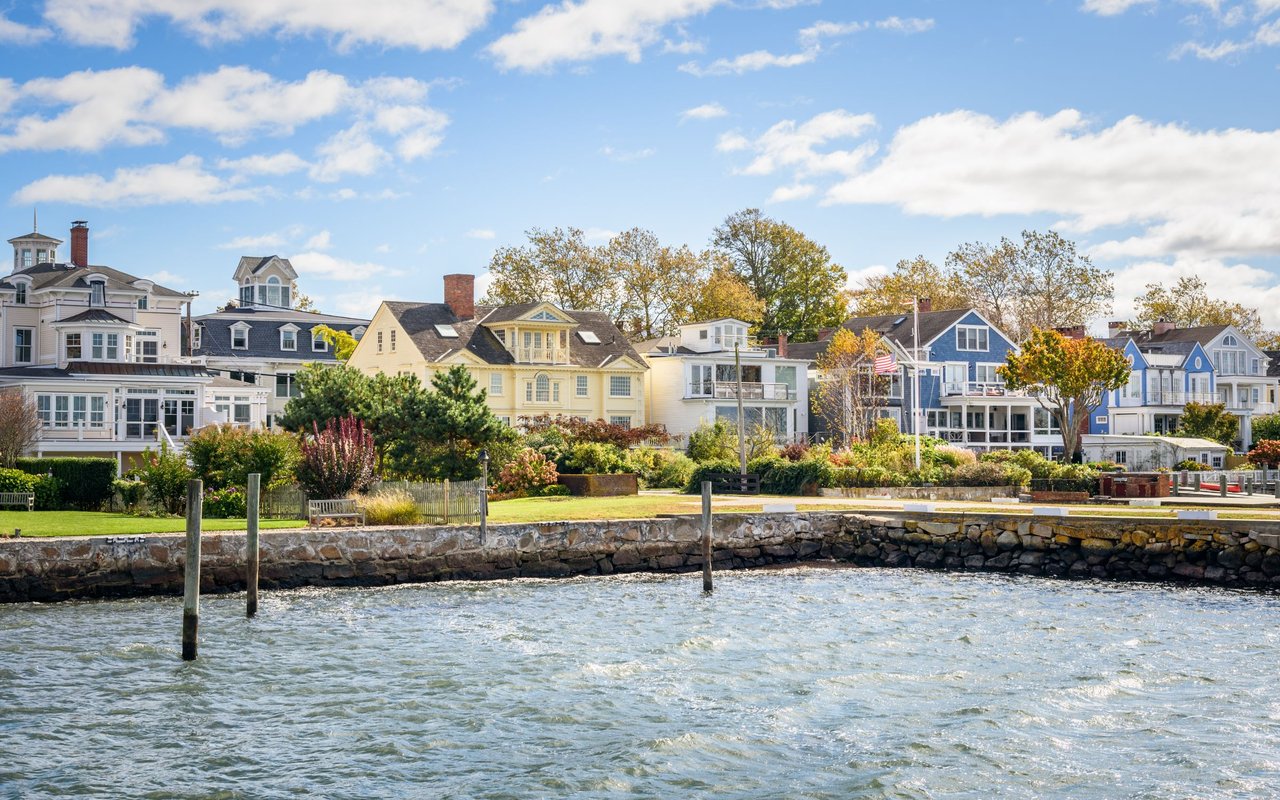
If you are drawn to the coast, Bristol delivers many of the places people picture when they think about Midcoast Maine. Pemaquid Beach Park, Pemaquid Point Lighthouse Park, Colonial Pemaquid, and several harbor access points all shape the town’s identity. Public water access is available at Upper Pemaquid, New Harbor, and Round Pond, and the town’s harbor system includes seven major mooring fields.
This coastal setting strongly influences everyday life. Bristol is a place where beaches, boating, history, and shoreline views are part of the local backdrop, especially from late spring through early fall. The lighthouse park also includes a learning center, fishermen’s museum, art gallery, and seasonal tower climbs, which adds to the area’s appeal for both residents and visitors.
At the same time, Bristol is not a year-round commercial hub. The town has a modest convenience base that includes a small grocery store, convenience stores, gas stations, a coffee bar, antique shops, and 18 restaurants, most of them seasonal. For larger shopping and services, many residents look to nearby Damariscotta for health care, pharmacies, groceries, and hardware stores.
One of the most important things to understand about Bristol is how seasonal it is. The town’s comprehensive plan says the population may triple in summer, and seasonal housing made up 47% of the housing stock in 2020. That has a real effect on how the town feels from one season to the next.
In summer, Bristol is busier, especially around the beach, lighthouse, harbors, and popular coastal roads. In the off-season, the pace slows down considerably. For some buyers, that contrast is exactly the draw. For others, it is something to think through carefully before choosing a full-time home or a second-home property.
This seasonal pattern also affects housing choices. Bristol appeals to year-round residents, seasonal owners, and visitors, so the market often reflects a mix of primary homes, summer cottages, and homes used part-time. If you are buying here, it helps to be clear about how you plan to use the property across all four seasons.
Bristol is overwhelmingly a single-family home market. Town data estimates that 95.2% of its structures were single-family homes in 2023, with multifamily housing making up only a small share. That makes Bristol very different from markets where condos, apartment buildings, or dense developments are more common.
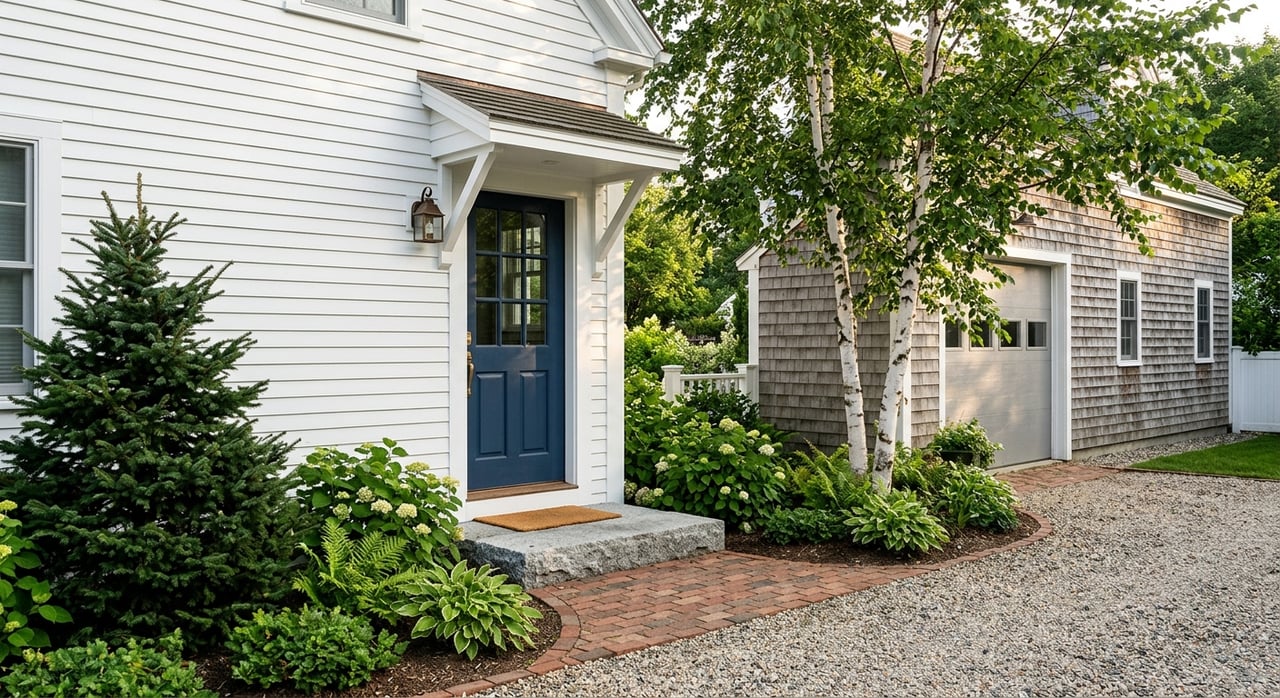
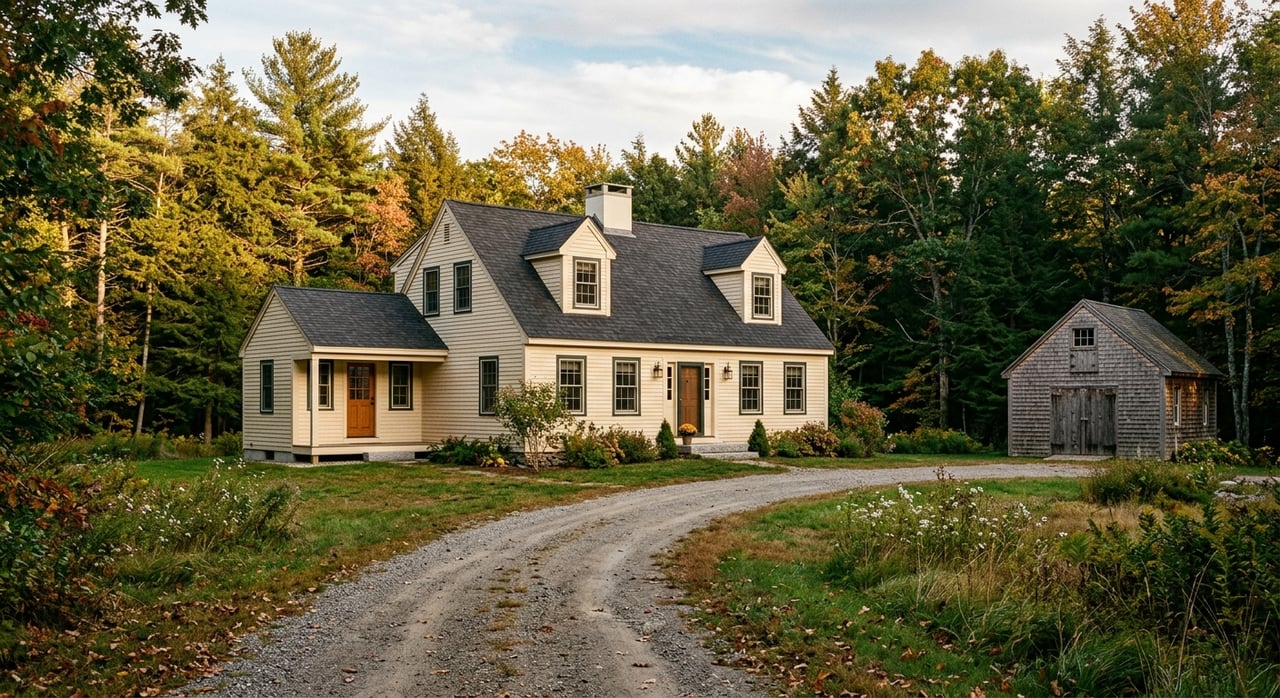
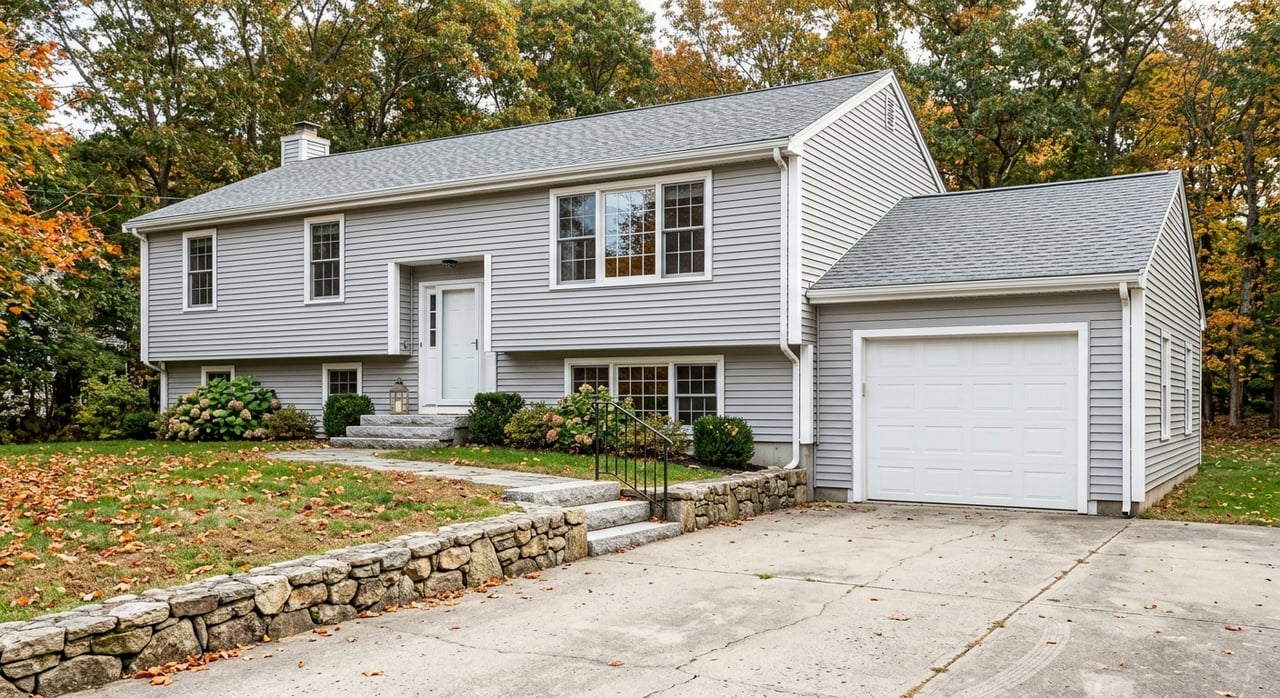
For buyers, this usually means your search will center on detached homes rather than attached or multi-unit options. You may find classic coastal cottages, village homes, inland properties with more privacy, and waterfront or water-oriented homes tied to the peninsula lifestyle. Inventory style can vary, but the low-density pattern is consistent.
The town also reports that just over half of homes are owner-occupied, while 44.4% are vacant, seasonally occupied, or used as short-term rentals. That reinforces an important point: Bristol is a residential coastal market with a large seasonal component. If you are shopping here, you are likely comparing homes based on lifestyle fit as much as square footage.
For many buyers, Bristol home options fall into a few practical categories.
These homes may appeal if you want Bristol as your primary residence. Buyers often look at access to Route 130, ease of driving to Damariscotta, and a setting that feels residential without being too far from the coast. Depending on the property, you may find more yard space, a quieter road, or a layout that supports everyday living in all seasons.
These properties often attract buyers who want a coastal retreat tied to Bristol’s warmer-weather rhythm. Proximity to New Harbor, Pemaquid Point, Round Pond, or shoreline access can be a major priority. In this category, the lifestyle value often comes from location, water access, and a stronger connection to summer activity.
Some buyers want extra room for visiting family or occasional income use. Bristol’s housing pattern supports interest in homes with flexible space, especially given the strong seasonal component in town. If you are considering additions, guest space, or property changes, local permit review may be part of the process.
Because Bristol is village-based, it helps to think in terms of setting and function rather than assuming one area fits everyone.
These areas are often top of mind for buyers who want a strong coastal experience. You may be closer to iconic destinations like Pemaquid Beach Park and Pemaquid Point Lighthouse Park, along with harbor activity and seasonal energy. For second-home buyers, these locations can be especially appealing because they put the coastline at the center of daily life.
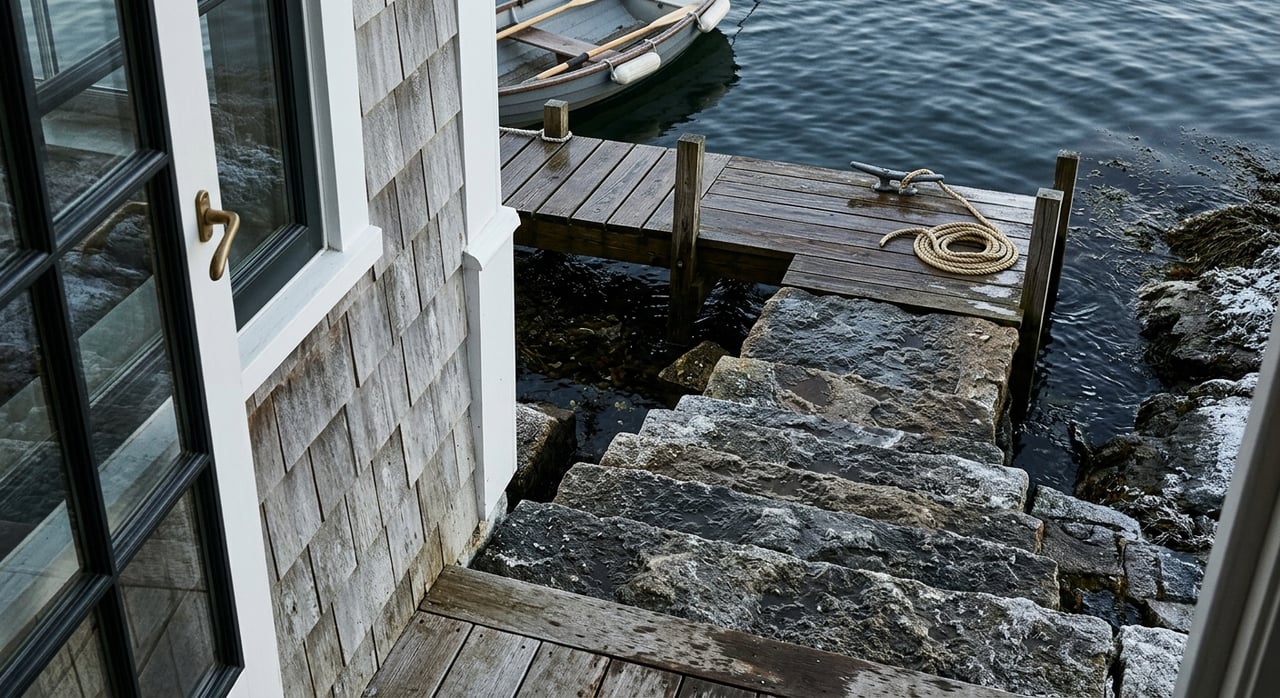
Round Pond is tied to the working-harbor side of Bristol’s identity. Buyers drawn to moorings, public access, and a classic coastal village feel may focus here or in similar harbor-connected locations. These settings can offer a close connection to the water and to the peninsula’s maritime character.
If your priority is a year-round home with easier access through town and toward Damariscotta, inland or less shoreline-focused locations may be a better fit. These areas can make sense for buyers who want Bristol’s overall setting while keeping everyday errands and regional travel in mind. The experience may feel quieter and more residential, especially outside the summer season.
Bristol’s development pattern is relatively small-scale. The town has no zoning beyond shoreland zoning and a one-acre minimum lot size outside the shoreland zone. The villages also do not have centralized water and wastewater systems, which is important context if you are comparing Bristol to more built-up coastal towns.
The town does allow some housing flexibility under ordinance in certain cases, including duplexes and some subdivision or cluster-dwelling options. Still, planning records show that growth has historically stayed modest, with subdivision approvals from 2000 to 2023 usually involving fewer than eight lots each. That helps preserve the lower-density character many buyers are seeking.
If you are considering renovations or future improvements, local review is worth taking seriously. Bristol’s code enforcement office handles permits for building, driveways, flood hazard matters, septic, shoreland issues, and subdivisions. Waterfront changes or expansion plans may require more due diligence than buyers first expect.
Before you make an offer, it helps to think through how you want to live on the peninsula.
These questions can narrow your search quickly. In a market like Bristol, small location differences can create very different day-to-day experiences.
Bristol stands out because it offers a real coastal lifestyle without losing its residential roots. The town’s villages, public shoreline destinations, harbor access, and historic sites create a strong sense of place. At the same time, its housing stock remains largely made up of single-family homes, which gives buyers a more traditional home-search experience than they might find in denser coastal markets.
For year-round buyers, Bristol offers a quieter Midcoast setting with access to nearby services in Damariscotta. For second-home shoppers, it offers the scenery, history, and summer rhythm many people want from the Pemaquid Peninsula. For both groups, the key is matching the right property to the way you plan to use it.
If you are thinking about buying or selling in Bristol or elsewhere in Midcoast Maine, working with a local expert can make the process much smoother. Marsha DeCosta offers clear, practical guidance and local insight to help you move forward with confidence.
Stay up to date on the latest real estate trends.
With a trusted network of industry experts—including photographers, stagers, lenders, inspectors, and title professionals—Marsha ensures every transaction is handled with precision and care from start to finish. Whether you’re buying your first home, searching for a coastal retreat, or ready to list your property, Marsha DeCosta is a REALTOR® who makes every client’s real estate experience seamless, informed, and rewarding.
Marsha DeCosta
[email protected]
(207) 380-9970
License #BR925618
152 Main Street Wiscasset ME 04578