First-Time Homebuyer in Wiscasset: Find the Right Area
July 2, 2026
July 2, 2026
Thinking about buying your first home in Wiscasset? You are not alone, and you are probably weighing the same big questions many buyers ask here: Should you pay more to live in town, go farther out for space, or hold out for something with extra flexibility? The good news is that Wiscasset offers a mix of home styles, price points, and daily-living options that can work for different goals. This guide will help you understand how Wiscasset’s areas differ, what first-time buyers should watch for, and how to shop with more confidence. Let’s dive in.
Wiscasset works well for buyers who want Midcoast character without giving up everyday convenience. The town sits on US Route 1 and connects to State Routes 27, 144, and 218, with I-295 about 25 minutes away. The town also describes itself as an easy commute to Bath, Brunswick, Lewiston, Auburn, Augusta, and Rockland or Camden.
That location matters if you are trying to balance home price, privacy, and access to work or errands. Wiscasset’s average commute is about 19.5 minutes, and 87% of workers drive alone. For many first-time buyers, that means a car will likely remain part of daily life, especially outside the village core.
Wiscasset does not fit into one neat price bucket. Recent data points show a median owner-occupied value of $325,200, an average home value of $379,314, a median listing price of $432,000, and a recent median sale price of $460,000 for the three months ending May 2026. Lincoln County’s median sale price in May 2026 was $470,475, compared with $408,500 statewide.
For you as a first-time buyer, the practical takeaway is simple. Many buyers will likely be shopping somewhere in the broader mid-$300,000s to mid-$400,000s, while still seeing some lower-cost options and some much higher-priced properties, especially historic or waterfront homes. That range can help you set realistic expectations before you start touring homes.
Wiscasset is still largely a single-family home market. The town’s comprehensive plan found that detached single-family homes made up 67% of the housing stock, with mobile homes at 20%. Even though that data is older, it still helps explain why Wiscasset feels less like a condo market and more like a town of houses, yards, and smaller residential clusters.
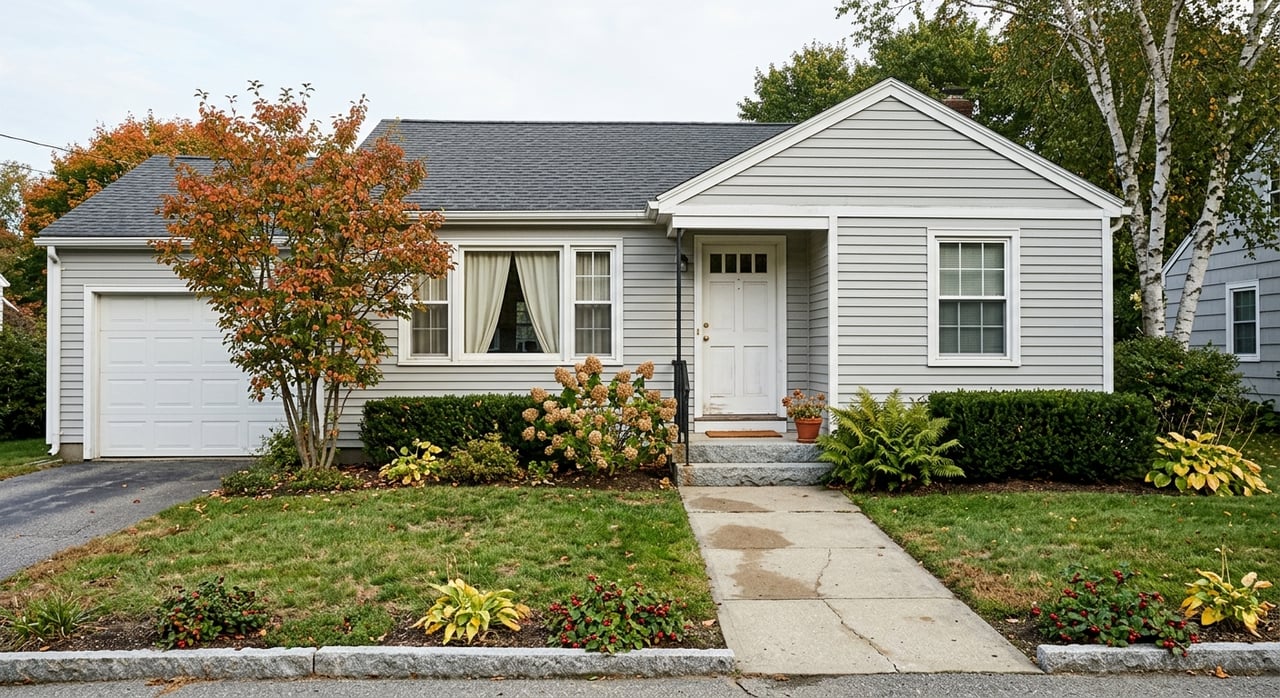
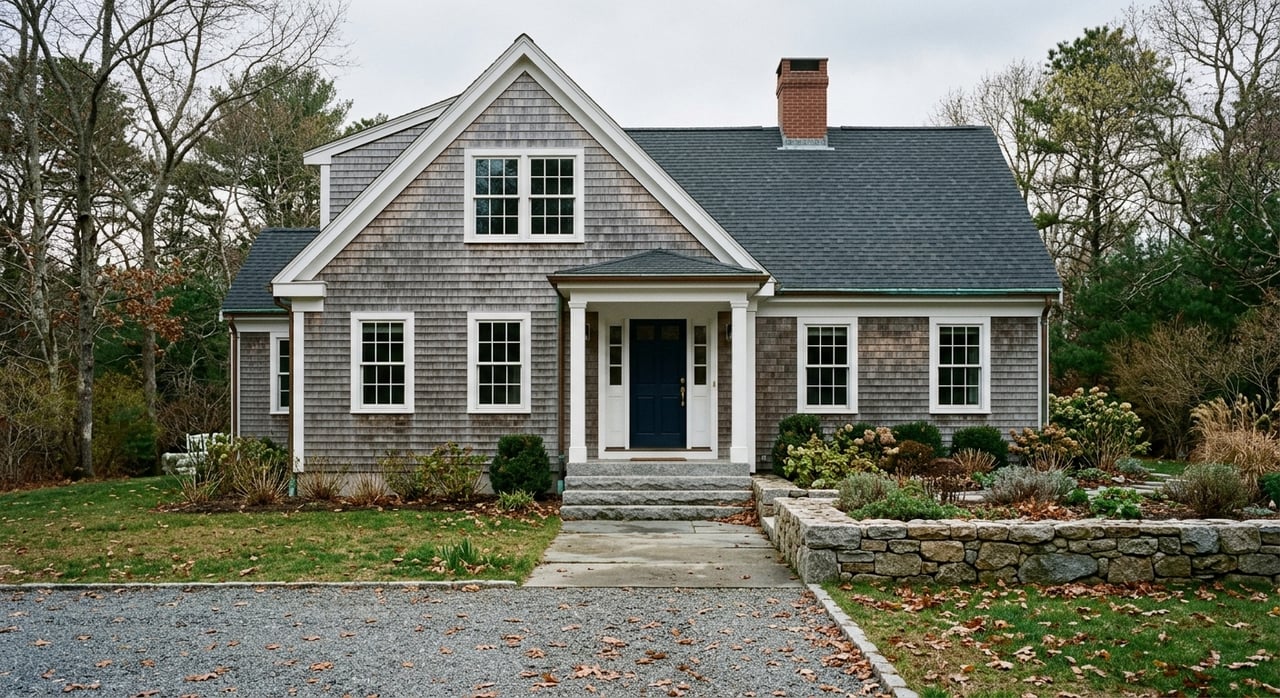
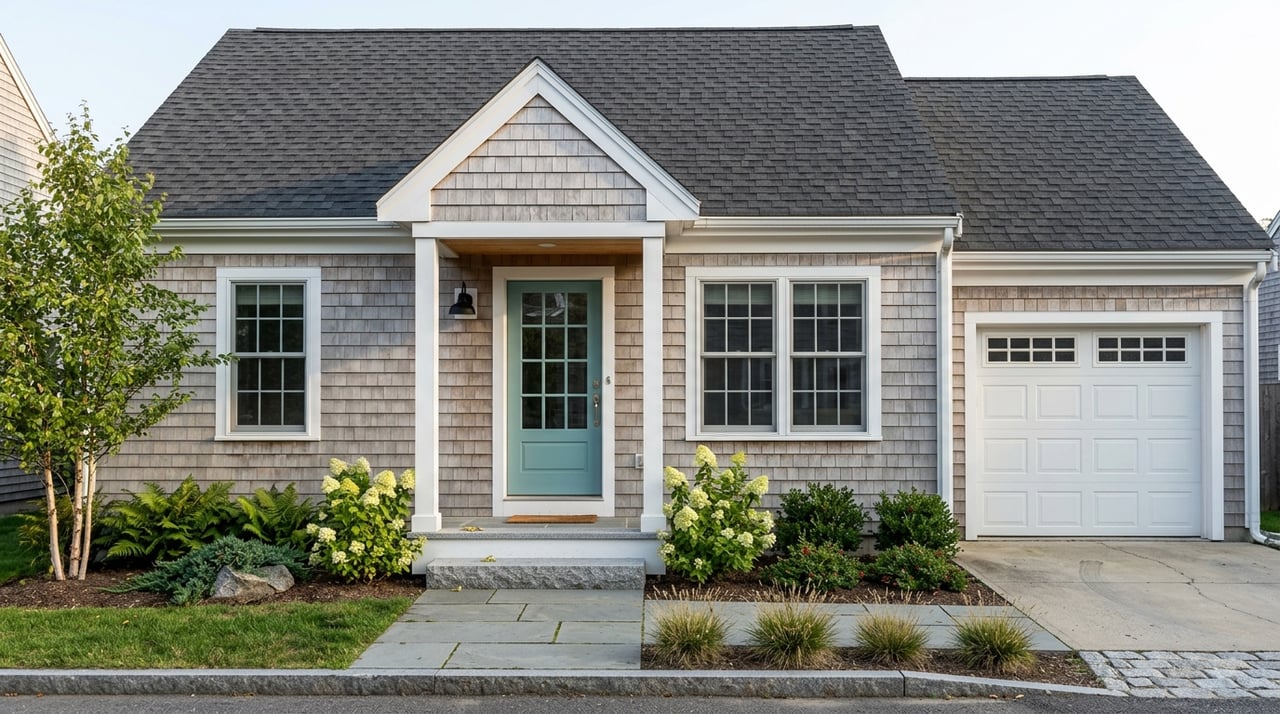
Current listings reflect that variety. You may see an entry-level mobile or manufactured home, an older Cape at a lower price point, move-in ready single-family homes in the $399,000 to $439,000 range, and higher-end historic homes above $1 million. Waterfront inventory is more limited and tends to start at a higher price level.
If you want to be close to errands and enjoy a more connected daily routine, in-town Wiscasset may feel like the best fit. The town’s planning framework describes Village 1 as mixed-use and Village 2 as a residential area with easy pedestrian access to the village. The Village Waterfront district is designed to combine housing with office, retail, and marine uses in a pedestrian-friendly setting.
That setup gives in-town buyers a different experience than they may find in more rural parts of Midcoast Maine. You can be closer to services like Shaw’s, Dollar General, Wiscasset Family Health, MaineHealth Primary Care, Ames Hardware & Supply, the community center, the library, schools, the airport, and harbor services. If you value quick errands and shorter drives, in-town living often earns a closer look.
In-town homes can come at a premium because they offer convenience and long-term appeal. The village districts are built around pedestrian access and mixed use, and the historic district is part of the town’s identity. Wiscasset’s historic district is listed on the National Register and includes 22 contributing buildings.
For first-time buyers, this does not always mean you should stretch your budget automatically. It means you should think carefully about what you will use and value every day. If being able to reach local services quickly matters more than having extra acreage, in-town may be worth the tradeoff.
If you picture a home with more land, a quieter setting, or a more rural feel, the outlying parts of Wiscasset may be a better match. The town’s Rural 1 and Rural 2 districts emphasize low-density residential use, open space, agriculture, and forestry. Wiscasset also has more than 2,000 acres preserved in some way, along with large unbroken land blocks in the northwest and northeast.
This part of town can appeal to buyers who want privacy and room to spread out. It can also mean more driving and a different set of ownership considerations. Dickinson Road, for example, remains an unpaved scenic road, which gives you a sense of how some areas may feel more tucked away and less built up.
Rural properties can be great fits, but they call for extra homework. Public sewer and public water are available only in certain parts of Wiscasset. In outlying areas, septic, well, parking, and lot-frontage details can affect both your monthly costs and future resale appeal.
As you compare homes, ask practical questions such as:
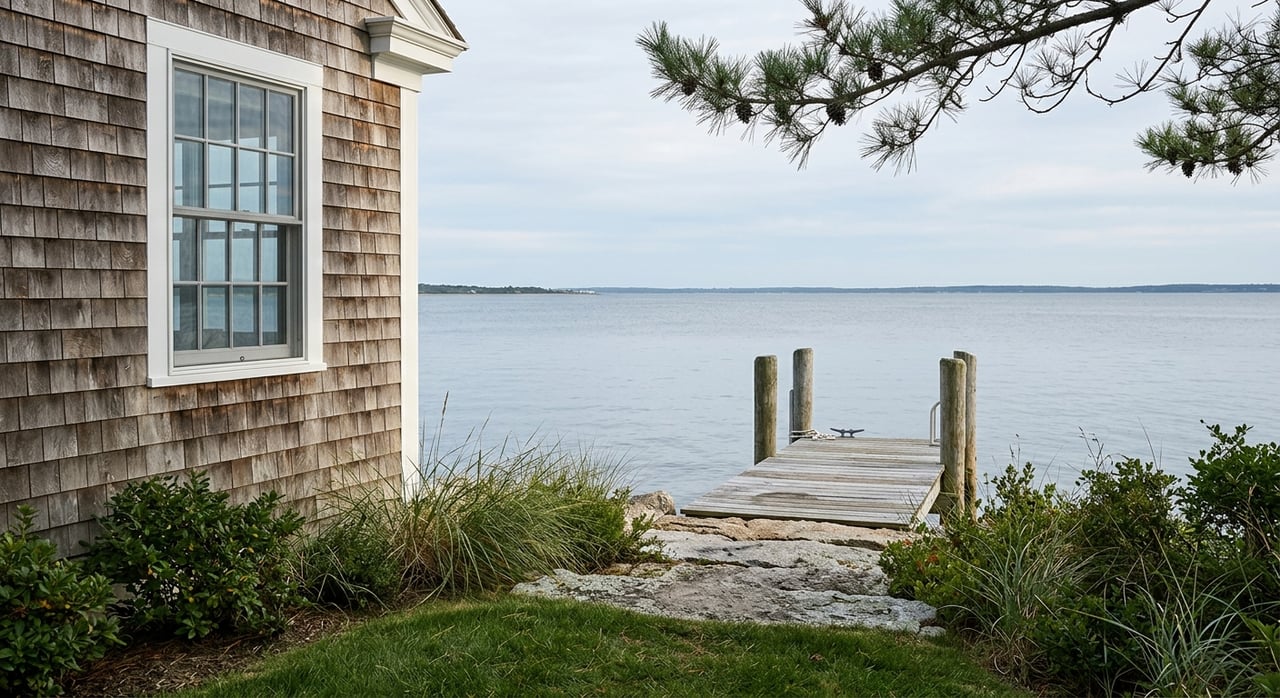
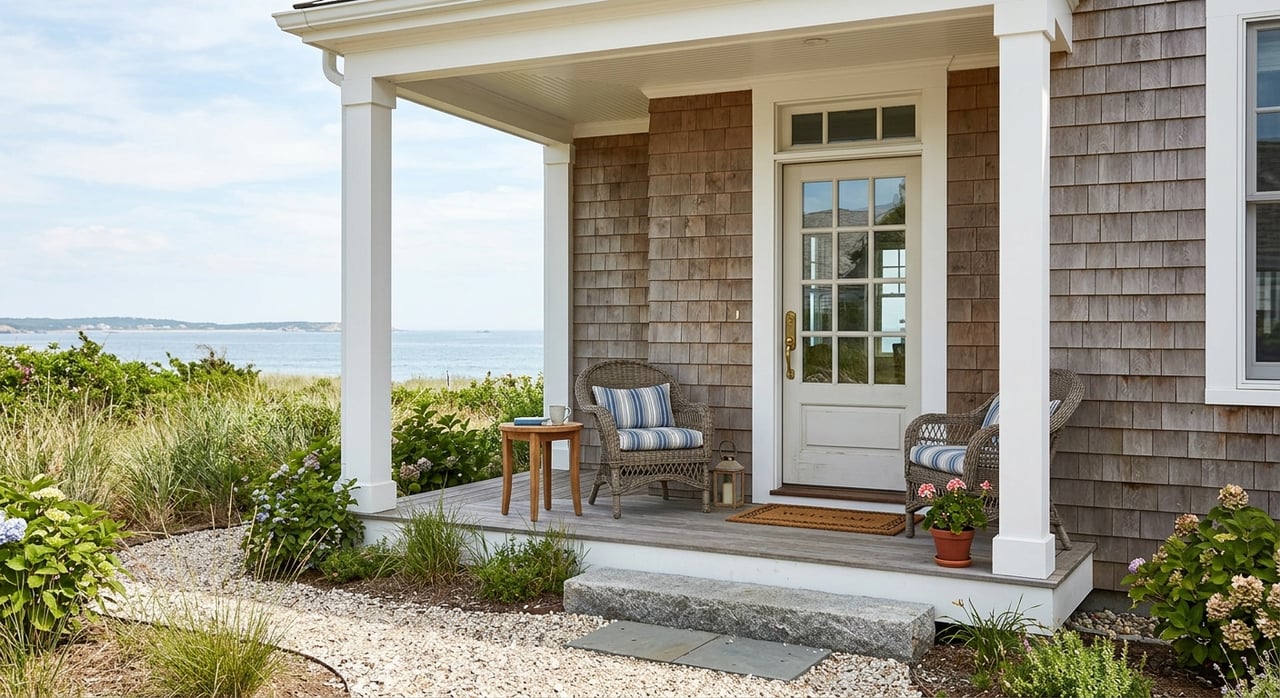
Waterfront homes are part of Wiscasset’s appeal, but they are usually not the most accessible option for first-time buyers. Recent market snapshots showed only a small number of waterfront homes for sale, with examples around $450,000, $775,000, and $1.15 million. In other words, waterfront supply is limited, and prices tend to start higher.
That does not mean you should rule it out if it fits your budget and goals. It does mean you should be ready for fewer choices and stronger competition when a well-positioned waterfront property comes to market. If water access is a priority, it helps to define early whether you want full waterfront ownership, harbor proximity, or simply a location with coastal character.
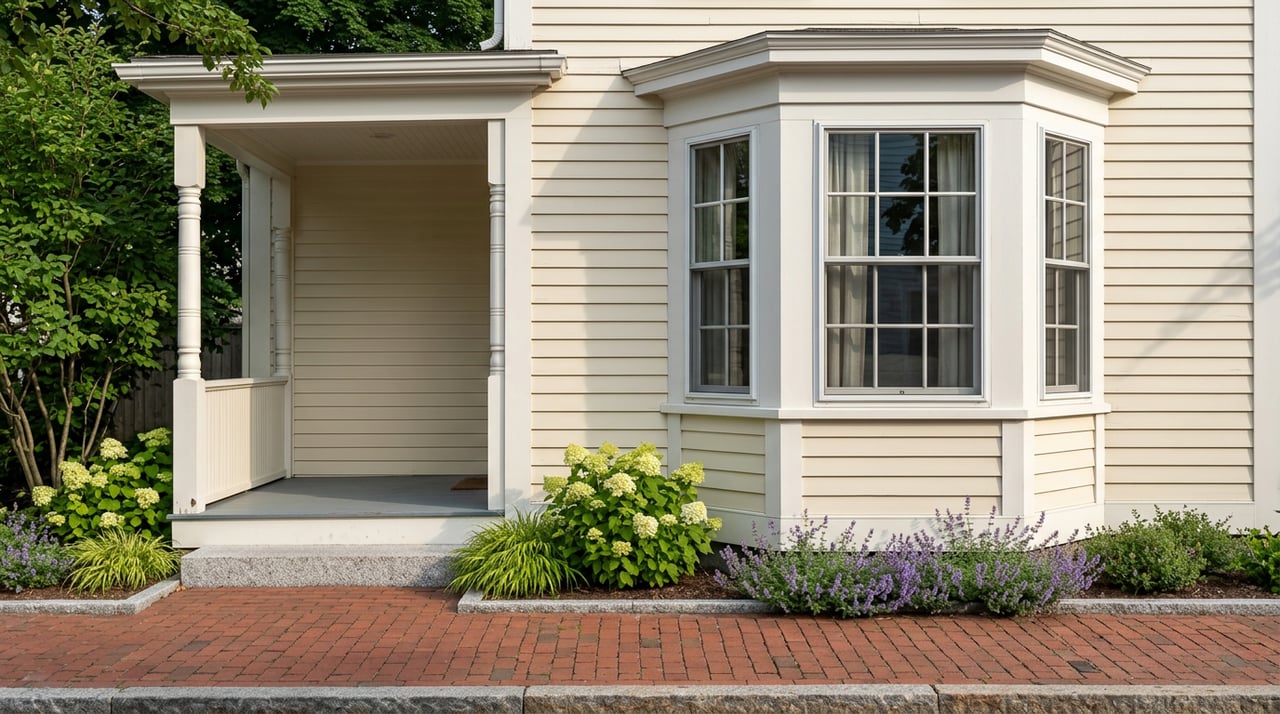
Wiscasset is known for its historic character, and that shows up in the housing stock. Homes in and around the village core can offer architectural detail, a strong sense of place, and lasting appeal tied to the town’s identity. The harbor’s deep, ice-free access and the village zoning framework also support the long-term importance of these areas.
For a first-time buyer, a historic home can be exciting, but it also calls for a practical mindset. You may be buying charm, location, and resale potential, but you should still evaluate condition, layout, and day-to-day function carefully. The right historic home is the one that fits both your budget and your lifestyle.
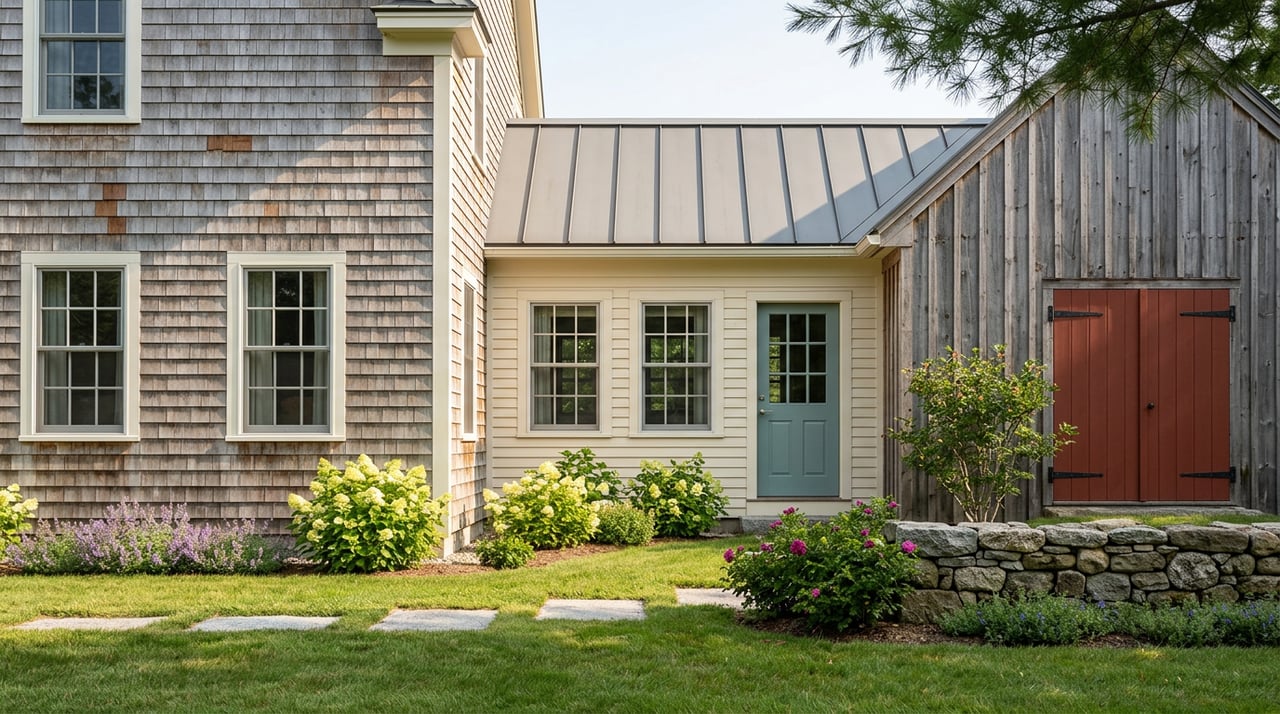
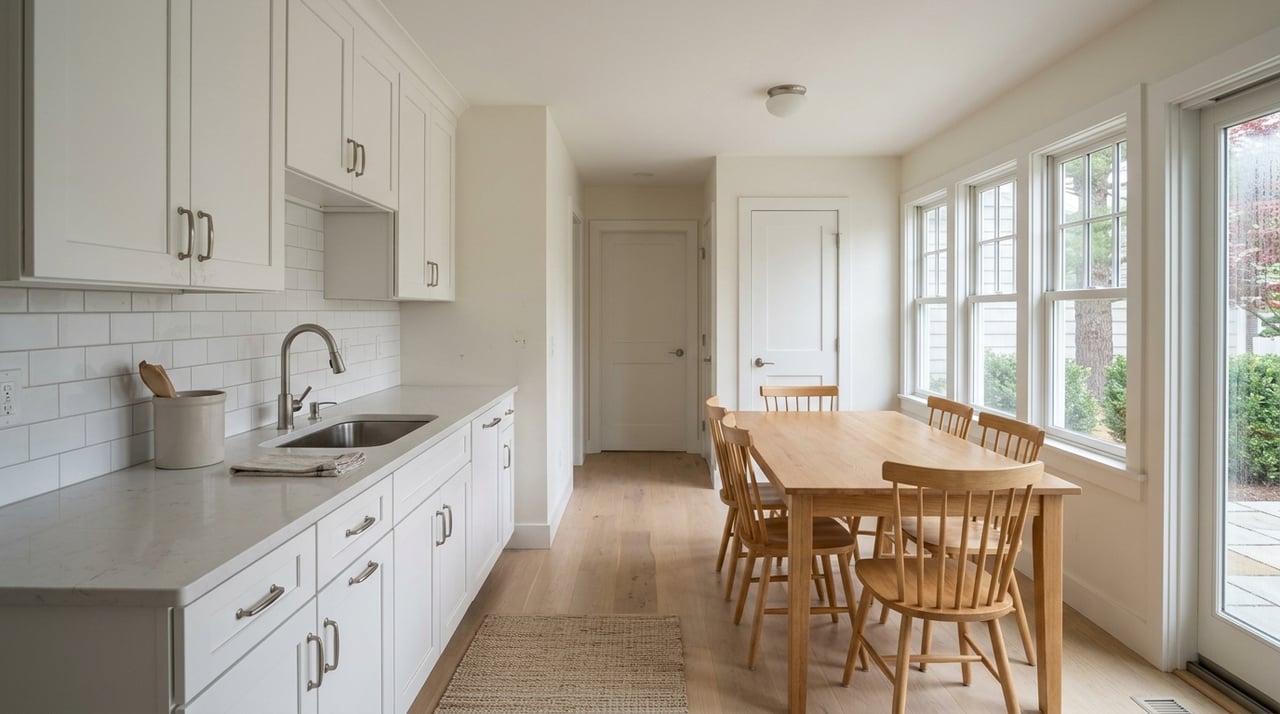
One feature worth noting in Wiscasset is the ability to add or use an accessory dwelling unit, or ADU, in certain situations. The town allows ADUs, including internal units, additions, garage conversions, and standalone cottages. In Village I, Village II, and Village Waterfront districts, the ADU cap is 40% of the heated portion of the main house, up to 1,000 square feet.
For first-time buyers, that flexibility may matter more than you think. An ADU can support changing household needs, give you room for guests, or create future options in a property you plan to keep for years. If this is important to you, make sure you verify the property’s zoning and current setup before you buy.
The best Wiscasset neighborhood for a first-time buyer is not always the cheapest one or the prettiest one. It is the one that fits how you actually live. Start with your daily routine, then work outward from there.
Here is a simple way to think about it:
Before you make an offer in Wiscasset, focus on questions that affect daily life and long-term value. This is especially important in a town where housing styles and utility setups can vary quite a bit from one area to another.
Ask questions like these as you tour homes:
Wiscasset gives first-time buyers a real mix of opportunity and tradeoffs. You may find a smaller or manufactured home at a lower price, a classic in-town property with strong convenience, or a more private home outside the village with extra space. The key is knowing which compromises feel manageable to you and which ones do not.
A thoughtful local search can save you time and stress. When you understand how Wiscasset’s in-town, rural, waterfront, and historic areas differ, it becomes much easier to spot the right fit and move with confidence. If you are ready to explore Wiscasset with practical guidance and local insight, connect with Marsha DeCosta.
Stay up to date on the latest real estate trends.
With a trusted network of industry experts—including photographers, stagers, lenders, inspectors, and title professionals—Marsha ensures every transaction is handled with precision and care from start to finish. Whether you’re buying your first home, searching for a coastal retreat, or ready to list your property, Marsha DeCosta is a REALTOR® who makes every client’s real estate experience seamless, informed, and rewarding.
Marsha DeCosta
[email protected]
(207) 380-9970
License #BR925618
152 Main Street Wiscasset ME 04578